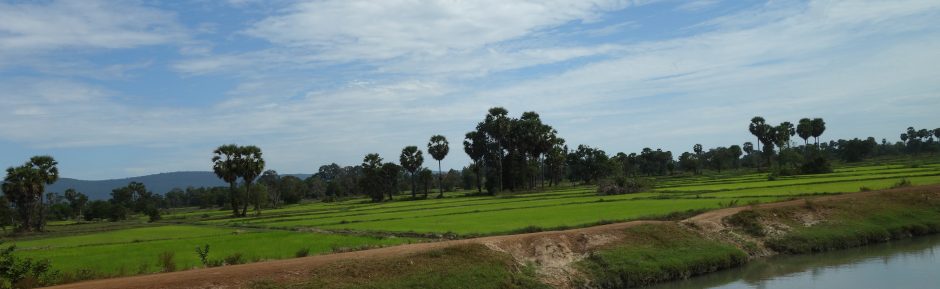
OFW2026 took place from September 13 to 26, 2026, in Sanankerto Village, Malang Regency, East Java, Indonesia, with Universitas Brawijaya (UB) as our host university.
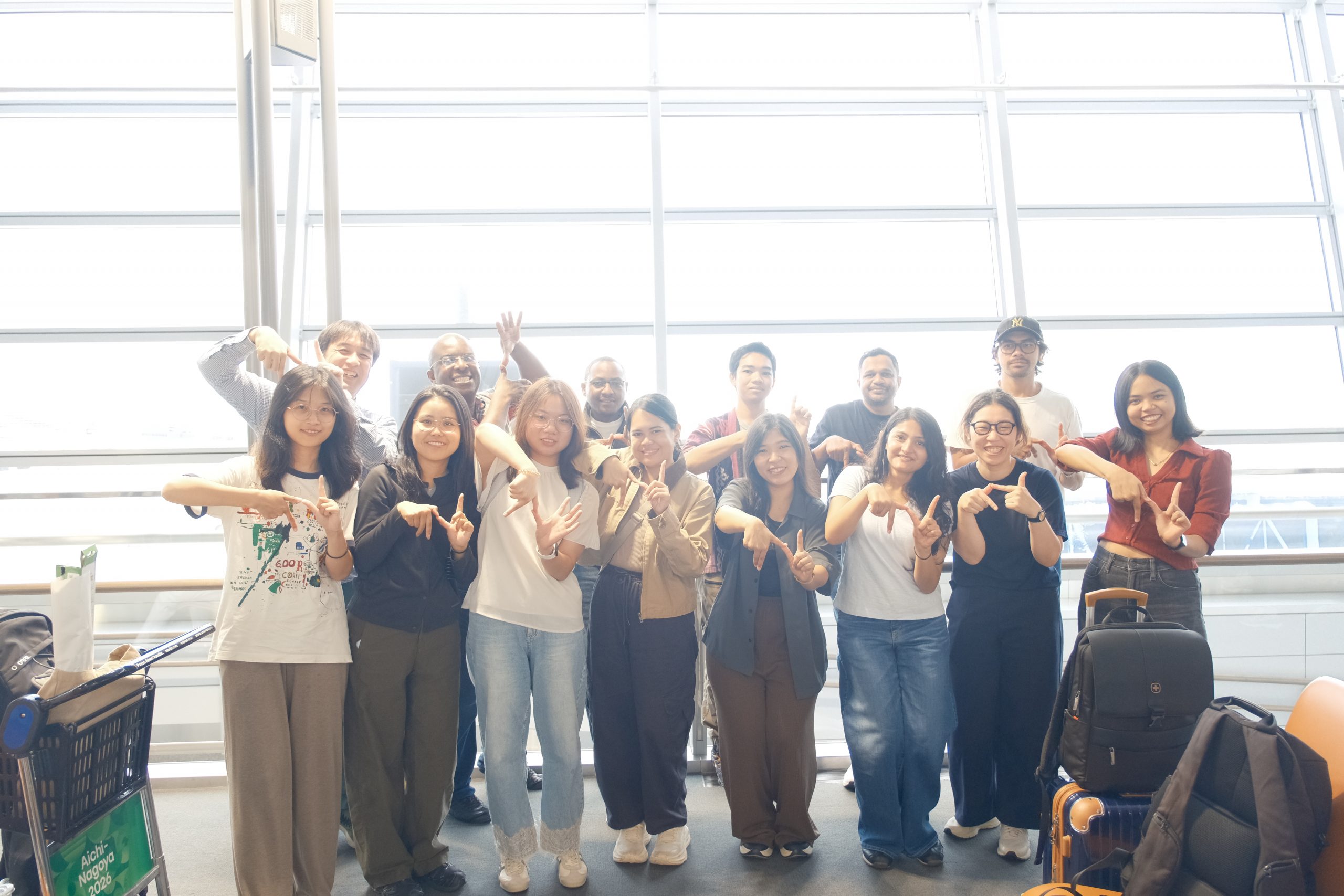
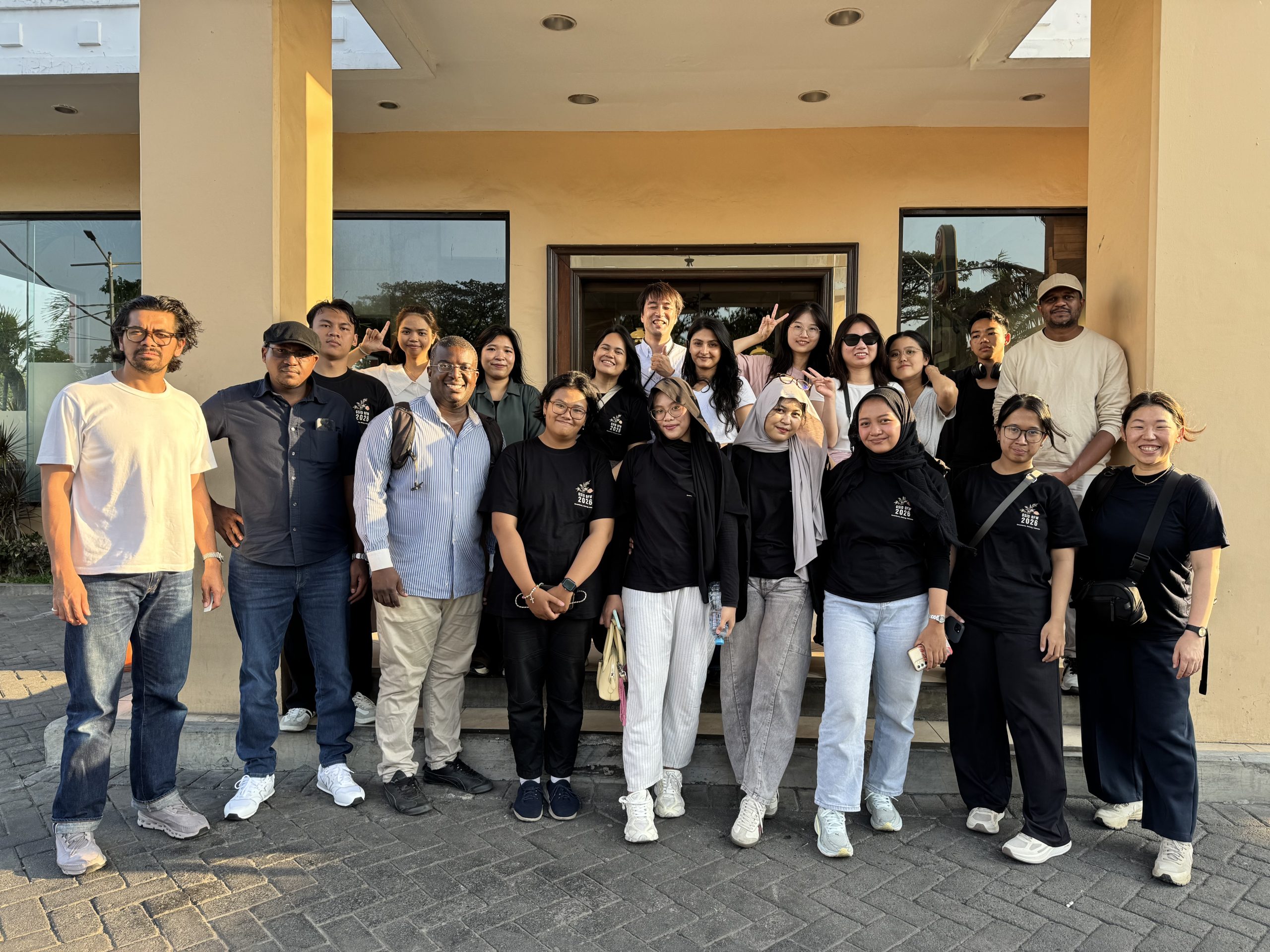
This year’s group was truly international. Ten students from eight countries took part: China, Indonesia, Japan, Kenya, Myanmar, Nepal, the Philippines and Sri Lanka. Japanese students were only a small part of the group, and most participants came from Indonesia’s Asian neighbours. UB faculty and students worked alongside us throughout the program.
All three groups studied the same place: Boon Pring, a bamboo forest and spring area that the village enterprise (BUMDes) runs as an ecotourism site. Each group looked at it through a different lens.
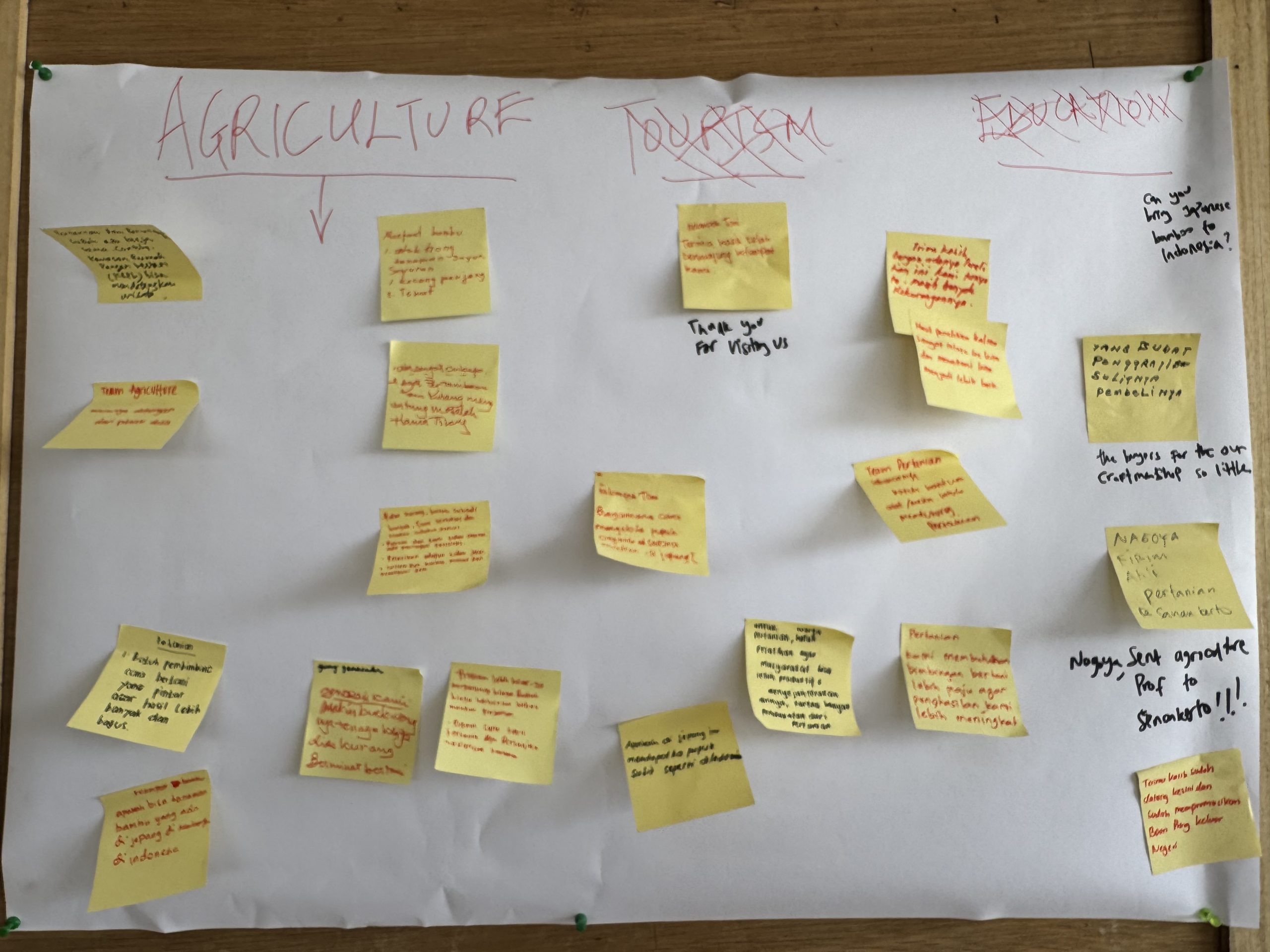
- Agriculture group asked whether bamboo ecotourism has changed the way households farm.
- Tourism group explored what supports the economic, institutional and environmental sustainability of Boon Pring.
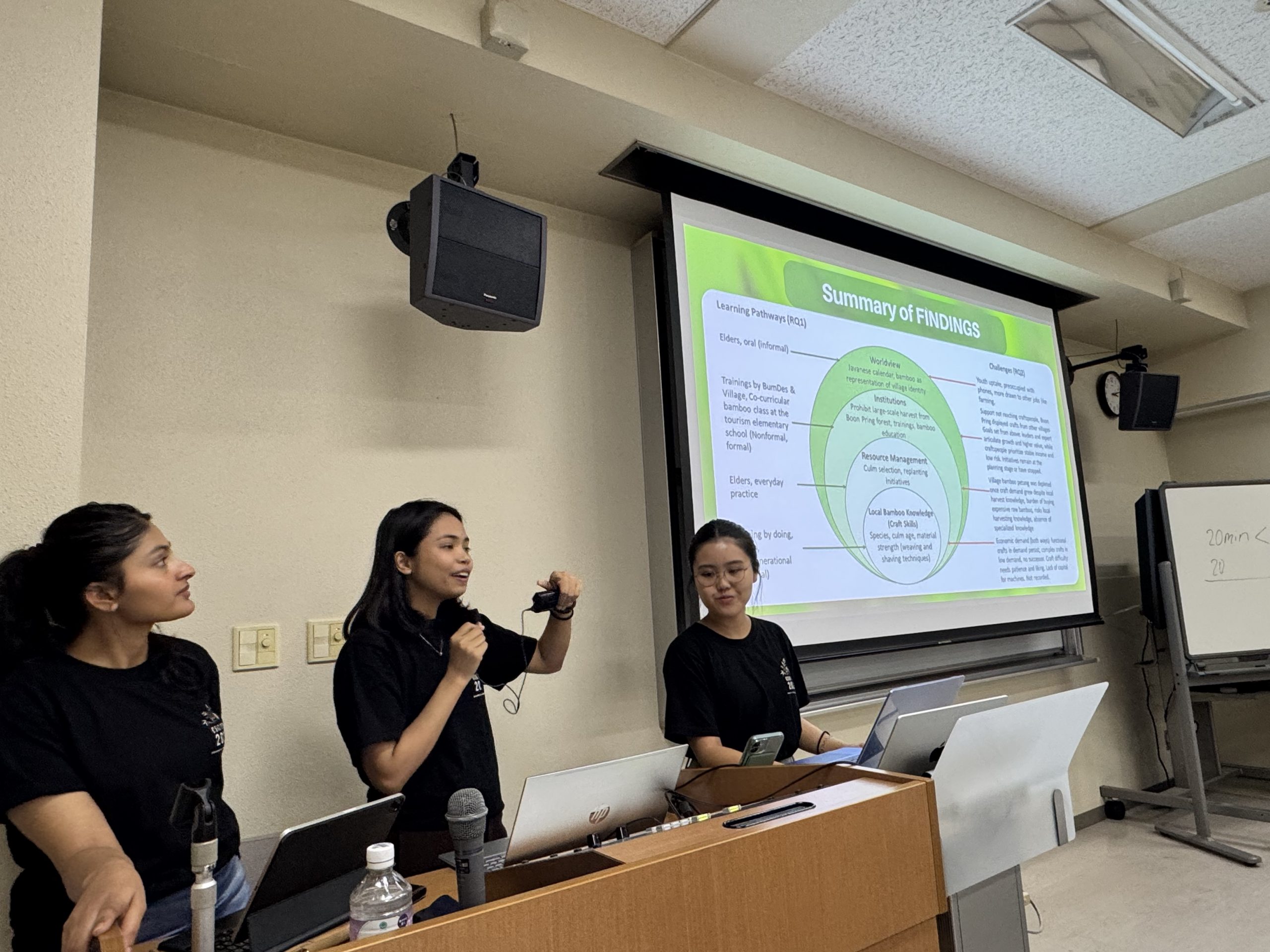
- Education group examined how bamboo knowledge and craftsmanship are passed on across generations.
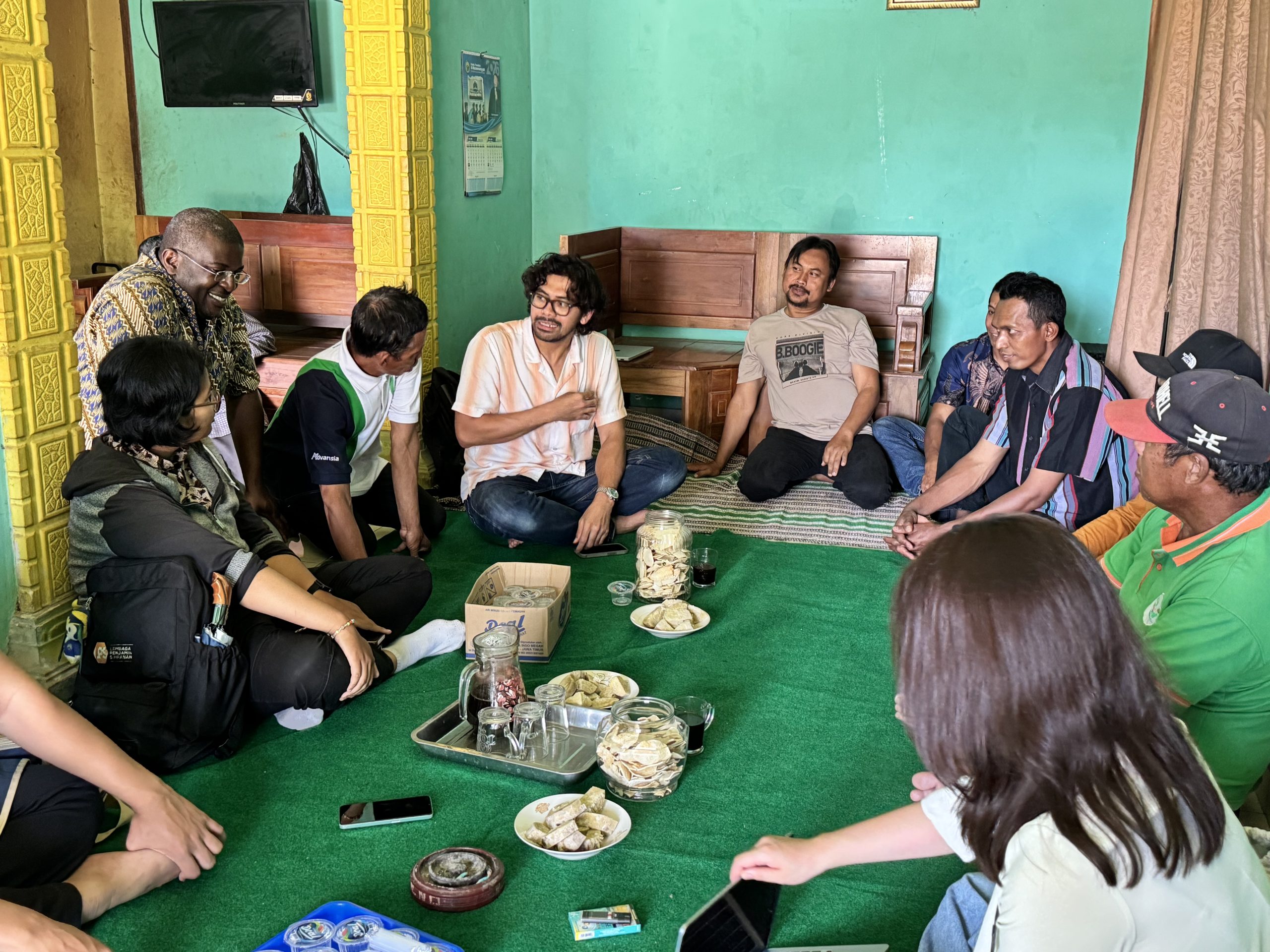
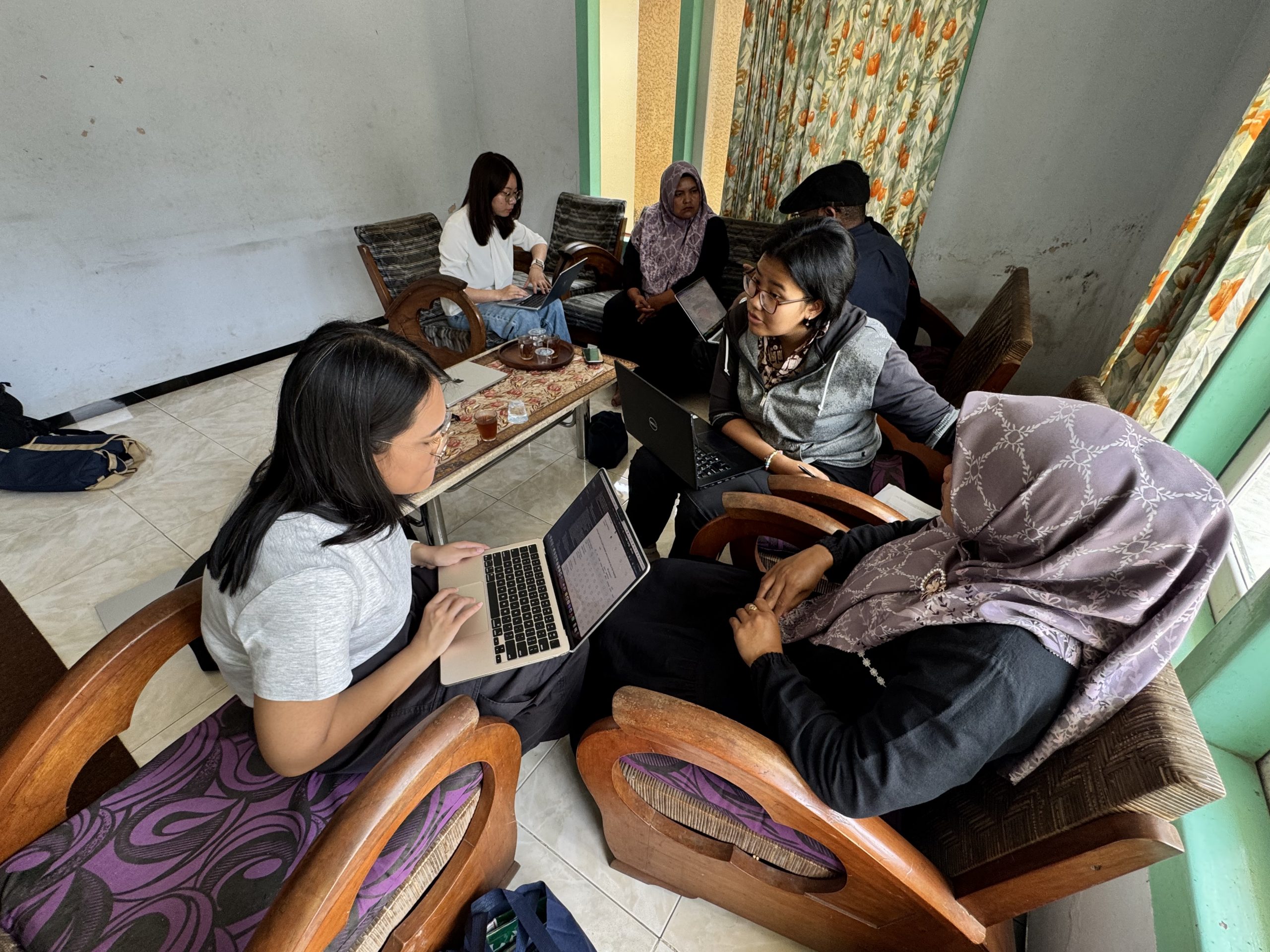
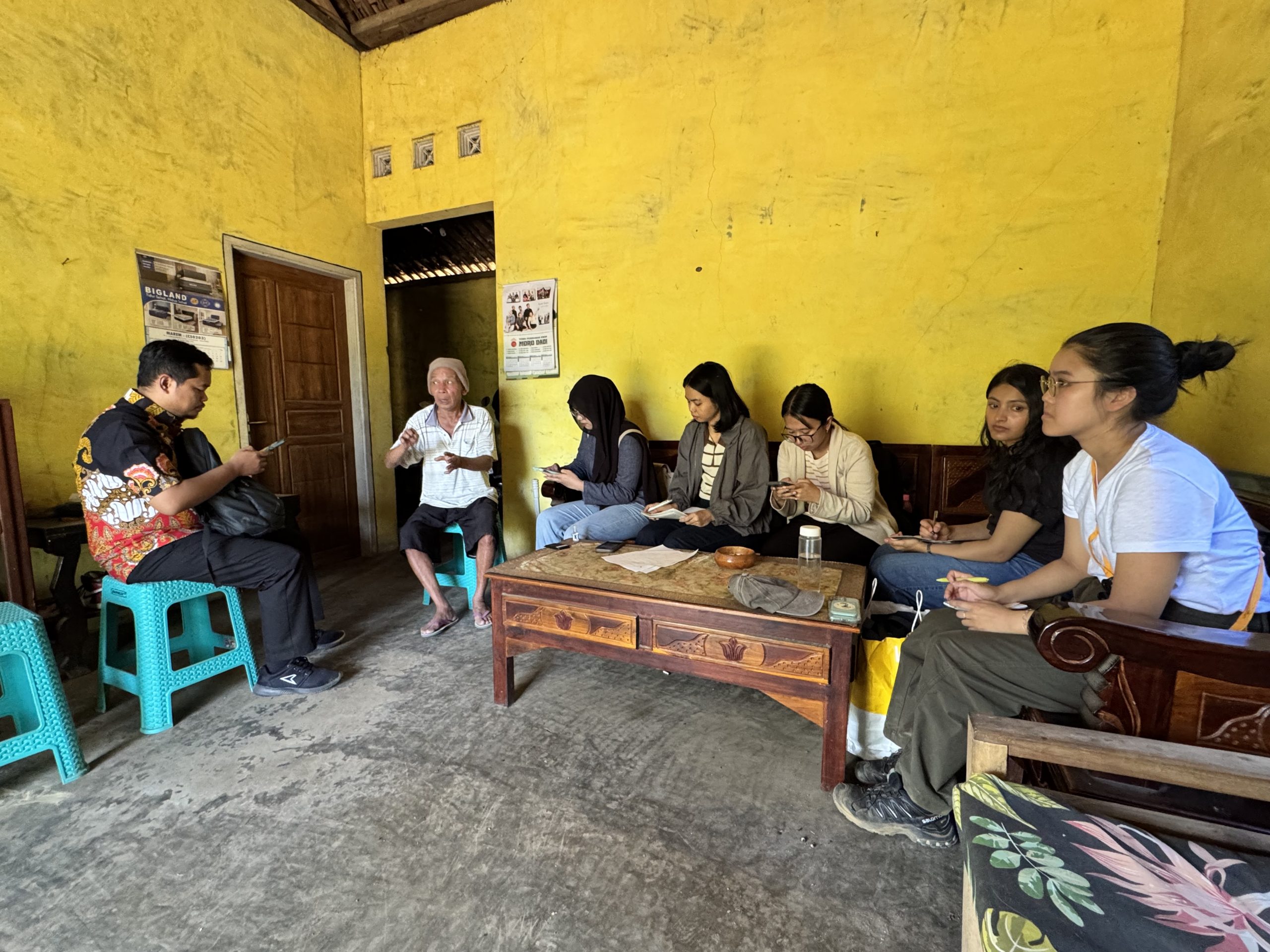
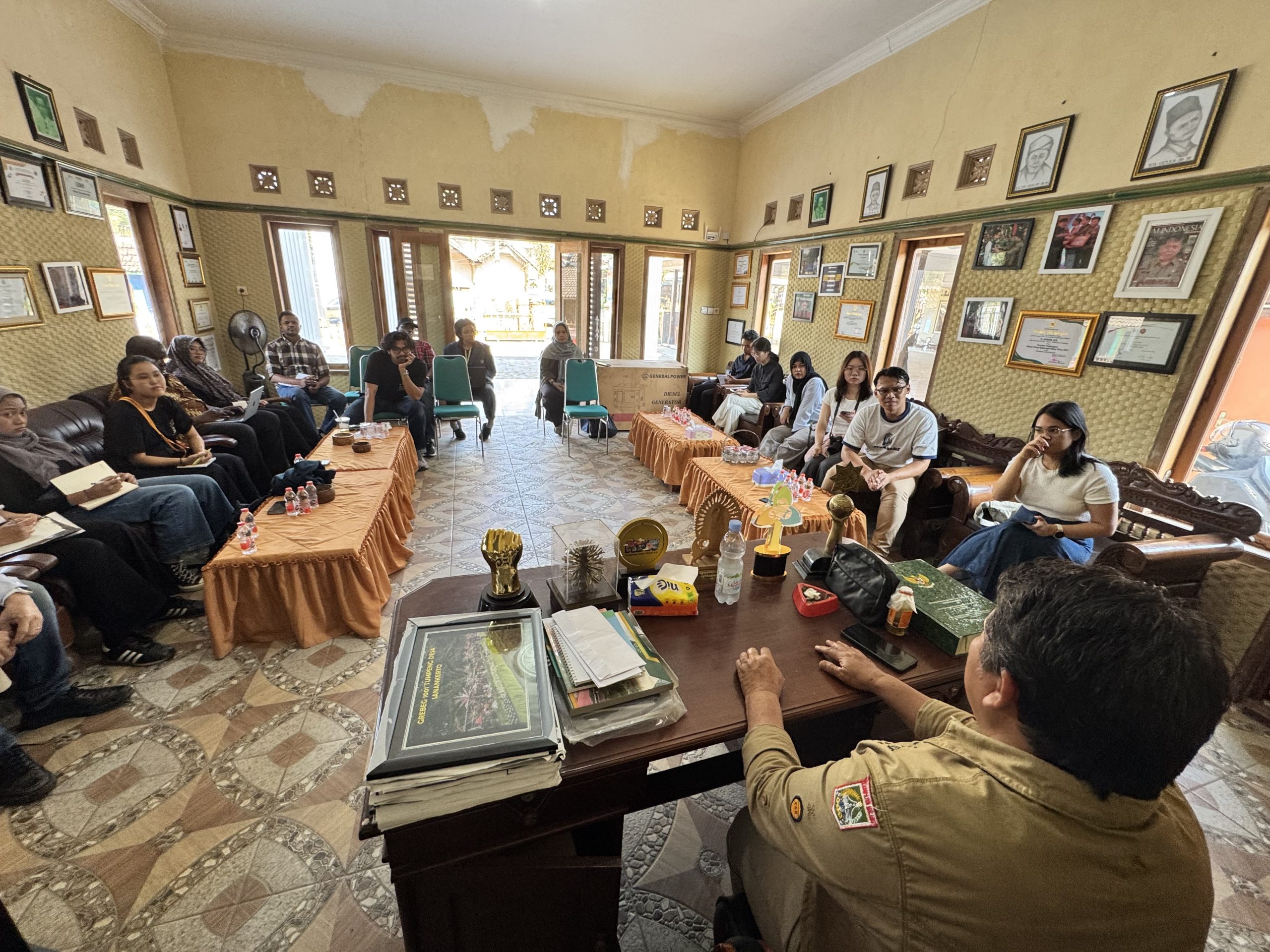
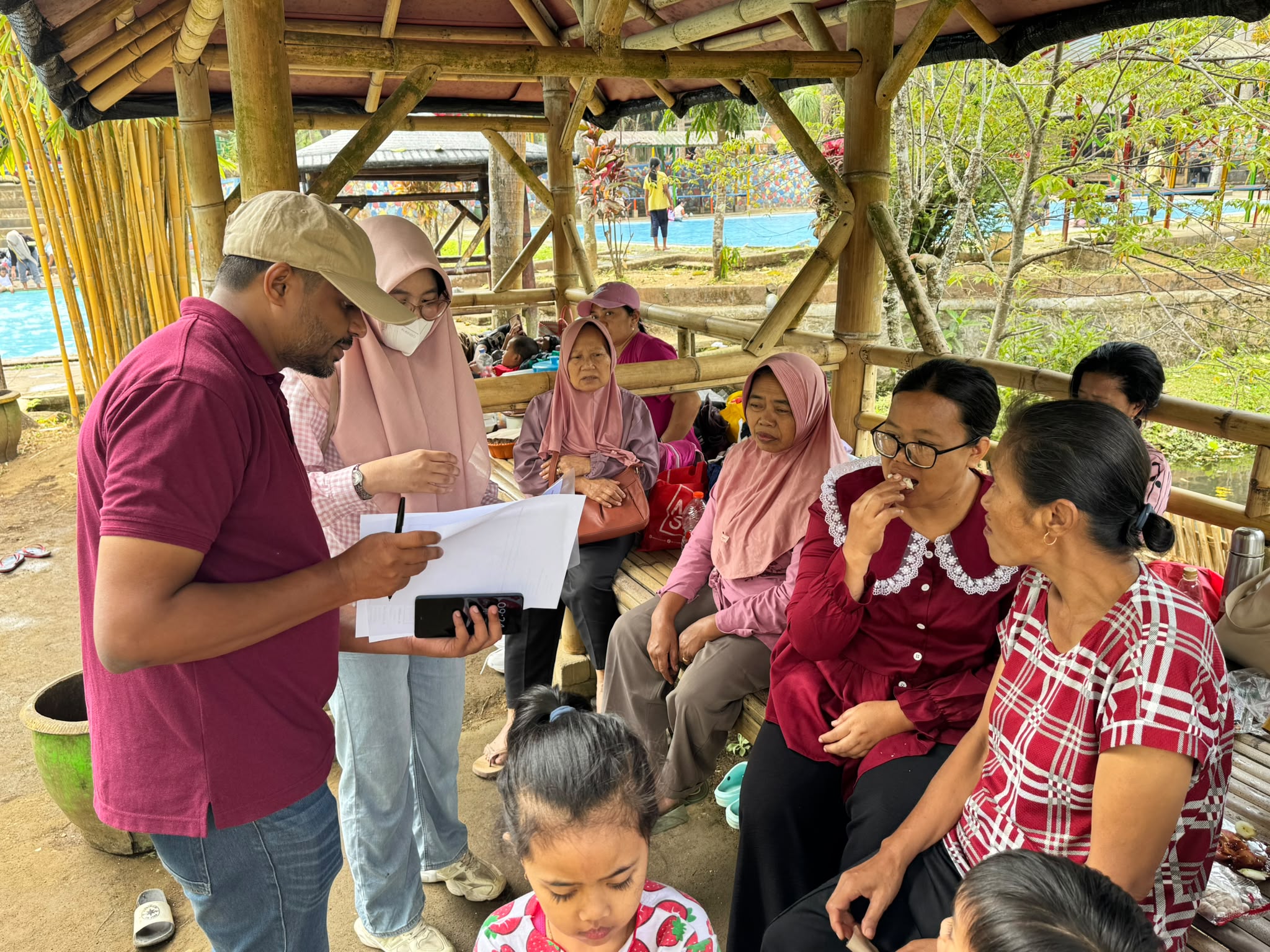
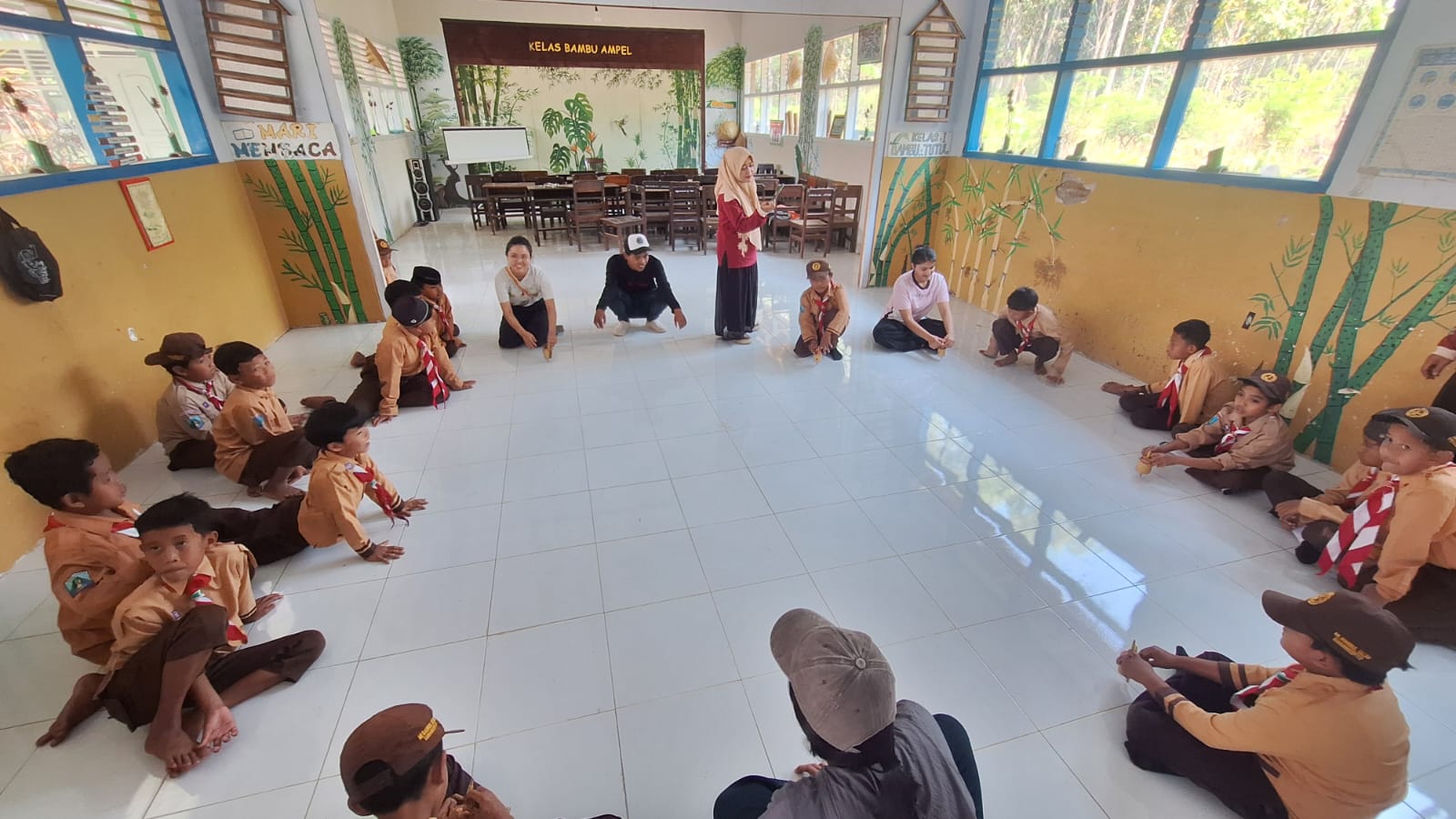
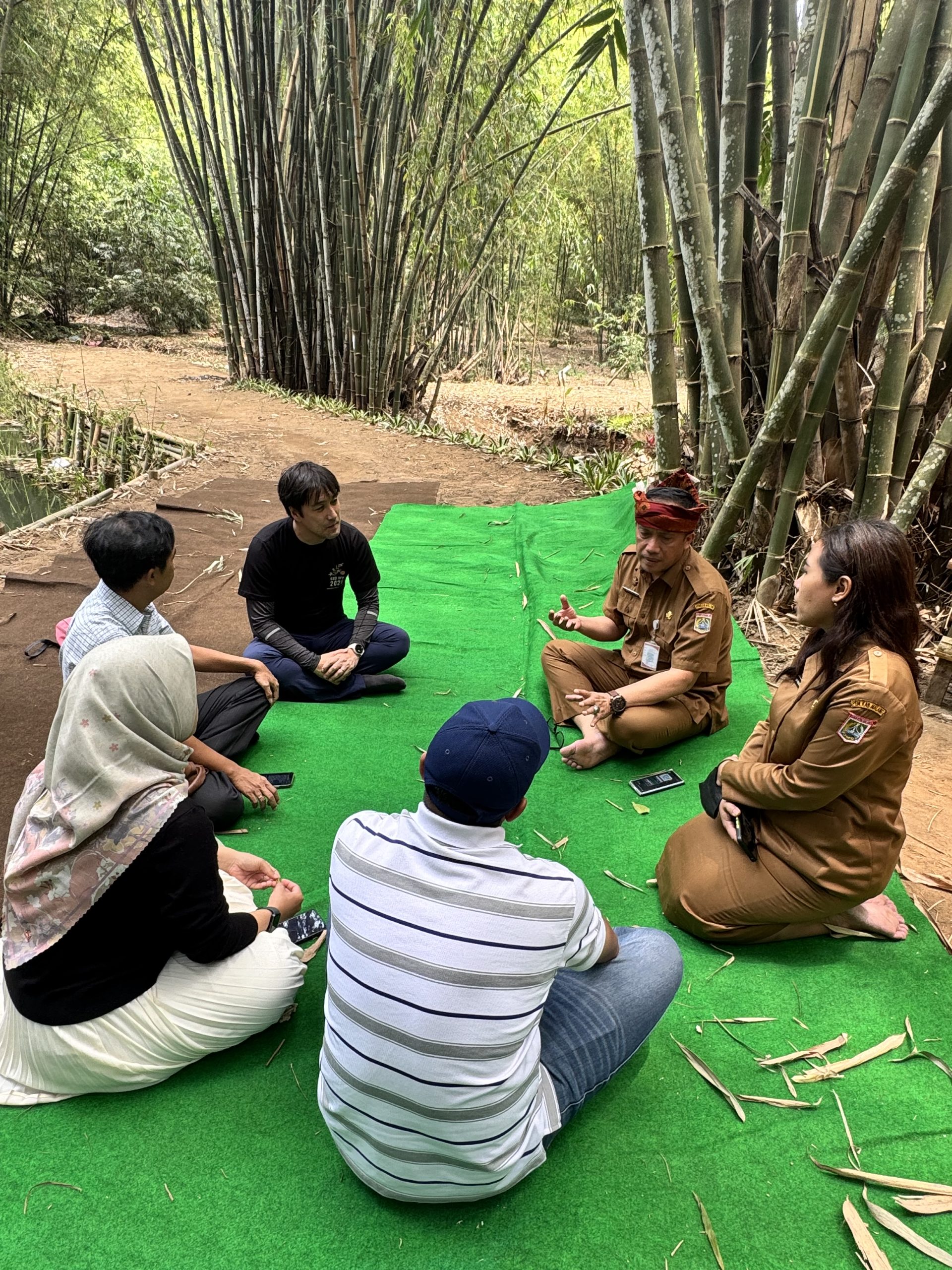
The analysis is still in progress, but some early insights are emerging. For many households, farming seems to continue much as before. Visitors appear to come mainly for recreation rather than for the bamboo forest itself. Some craftspeople told us that more complex bamboo crafts are now made by only a few people, with no one yet to take them over. Each group started from a different question, yet their recommendations pointed in a similar direction: finding ways for ecotourism to grow together with local livelihoods built around bamboo and farming.
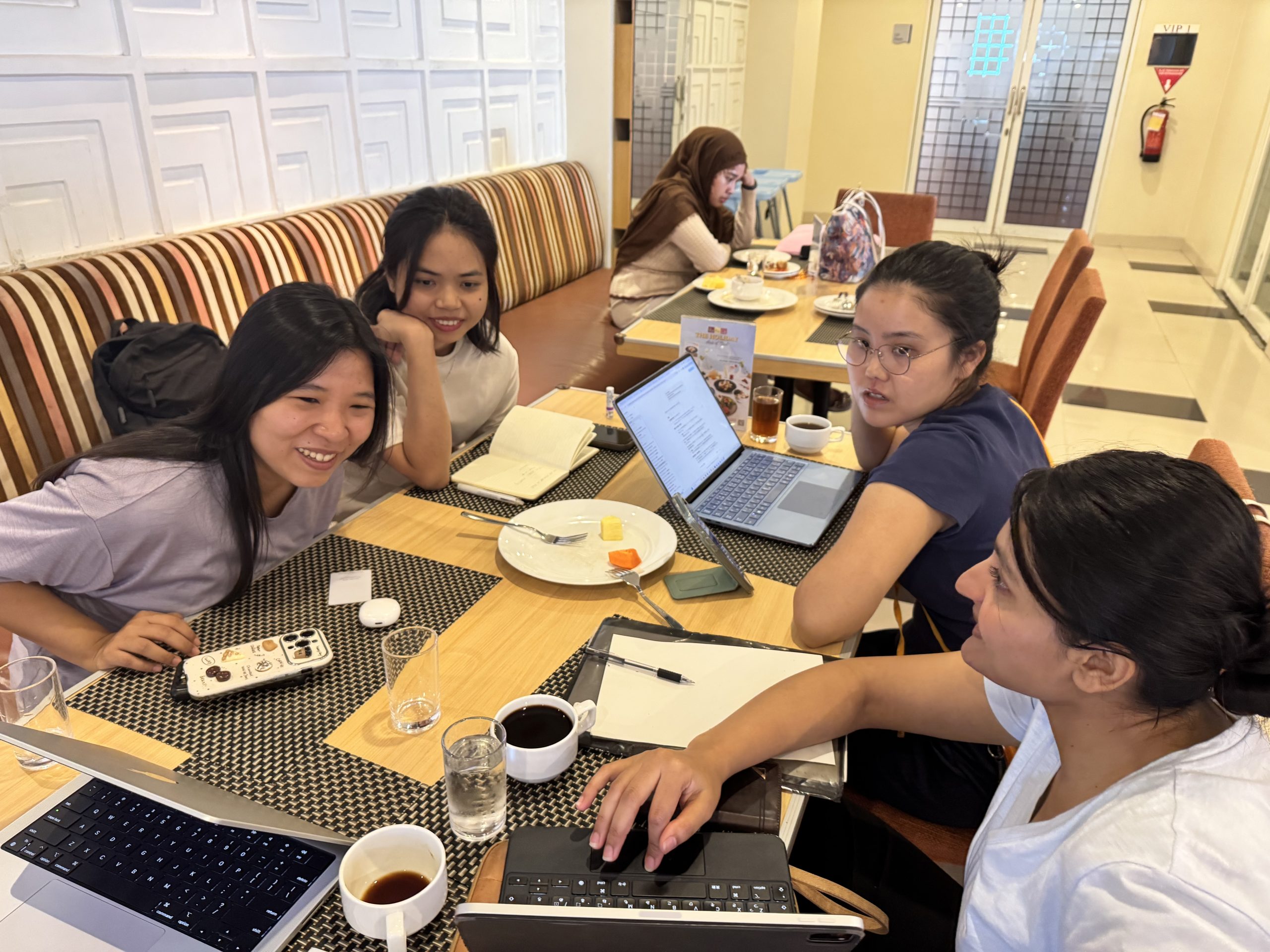
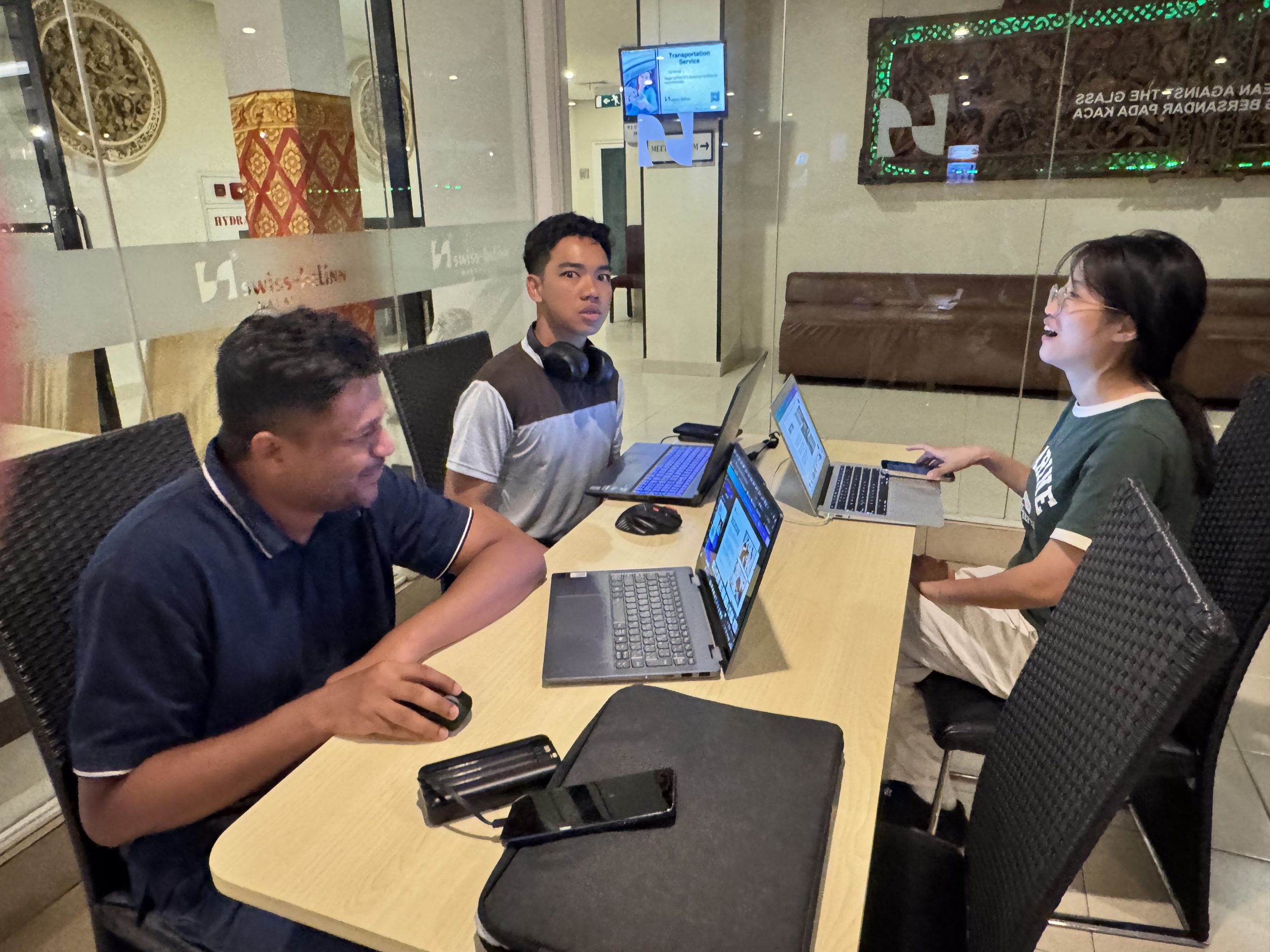
None of this would have been possible without our six teaching assistants from UB. They did far more than interpret. They also guided us through local culture and customs, helped us understand what we were seeing in the field, and built trust between our students and the people of Sanankerto. In the intensive analysis sessions, they were not just helpers on the side. They worked with our students as fellow team members, discussing data, questioning interpretations, and building the findings together.
Each student came with a personal goal. One Indonesian student hoped to contribute, even in a small way, to their own country. A student from Myanmar joined to gain the skills to work in a team. Working across languages, disciplines, and academic cultures was not easy. Agreeing on research questions, sharing out tasks, and reaching common interpretations all took time, patience, and many long discussions.
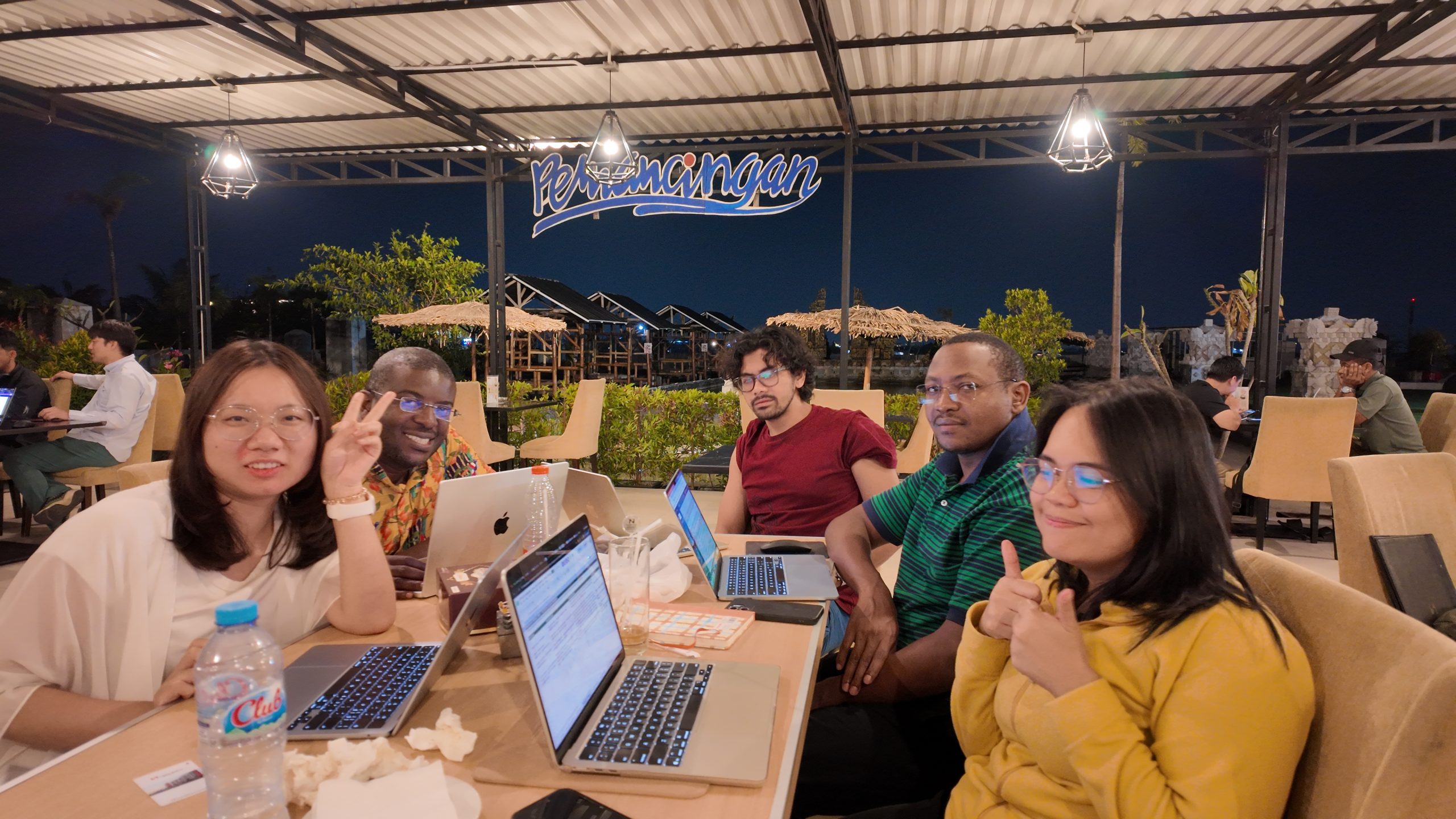
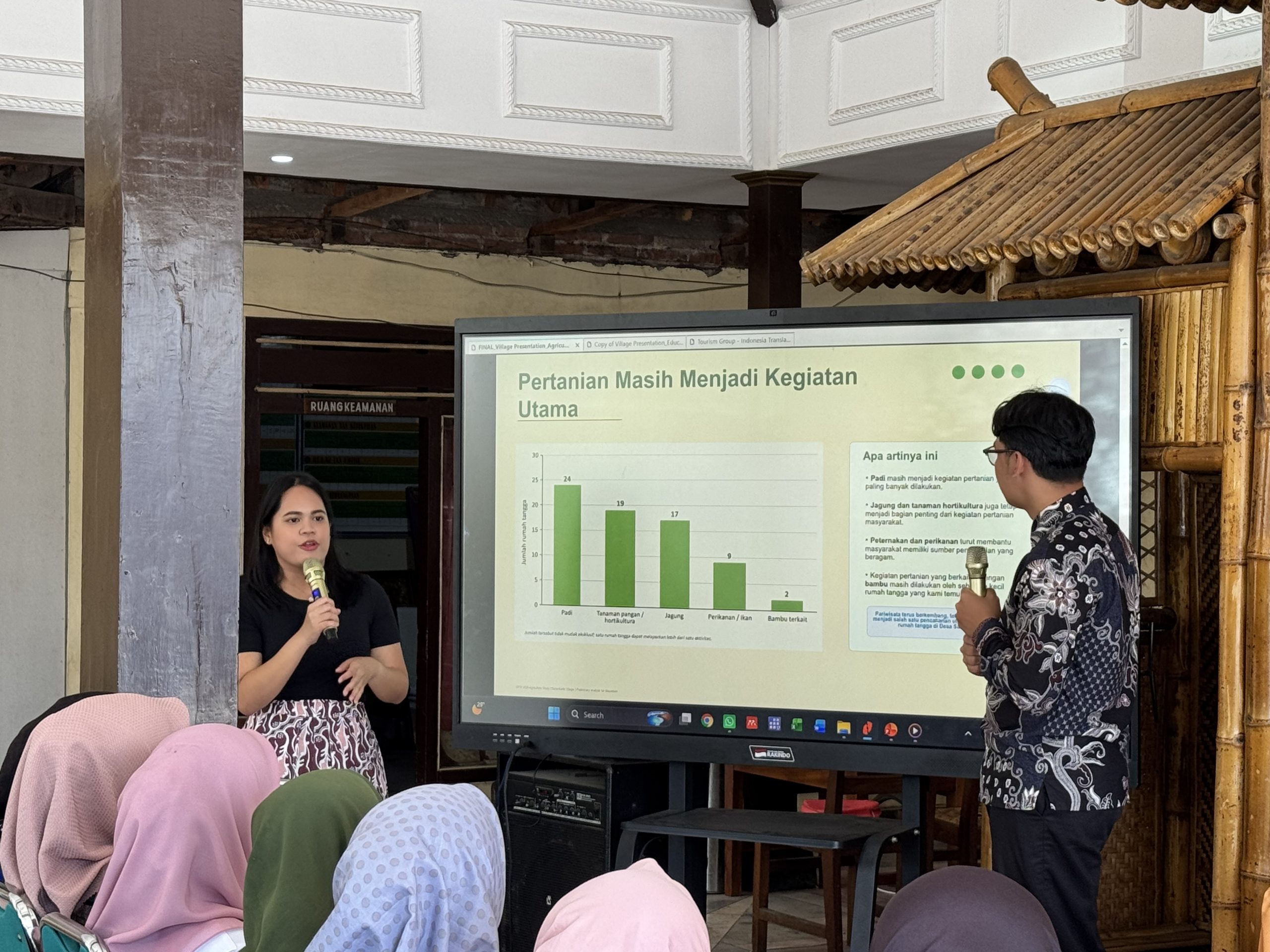
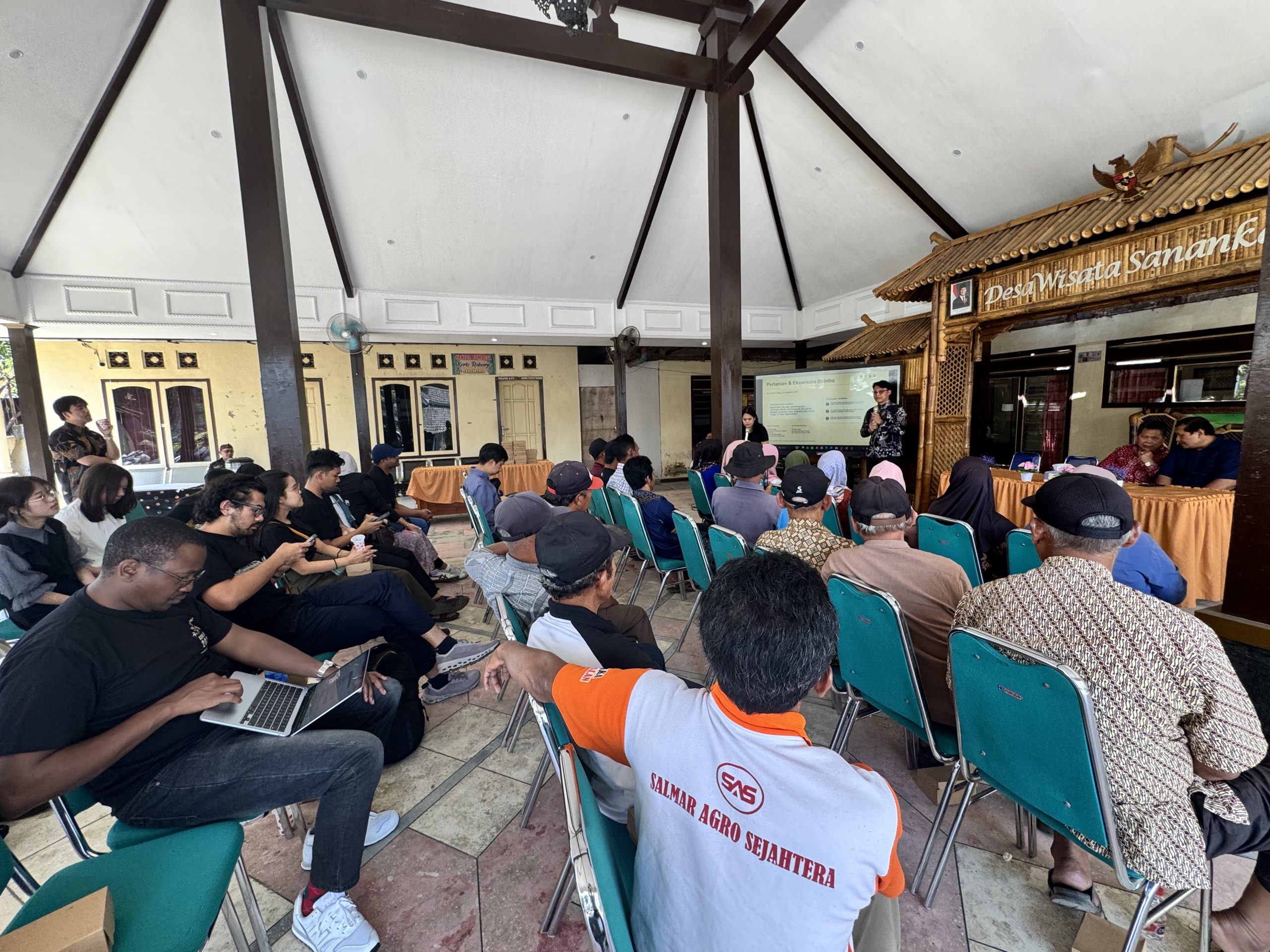
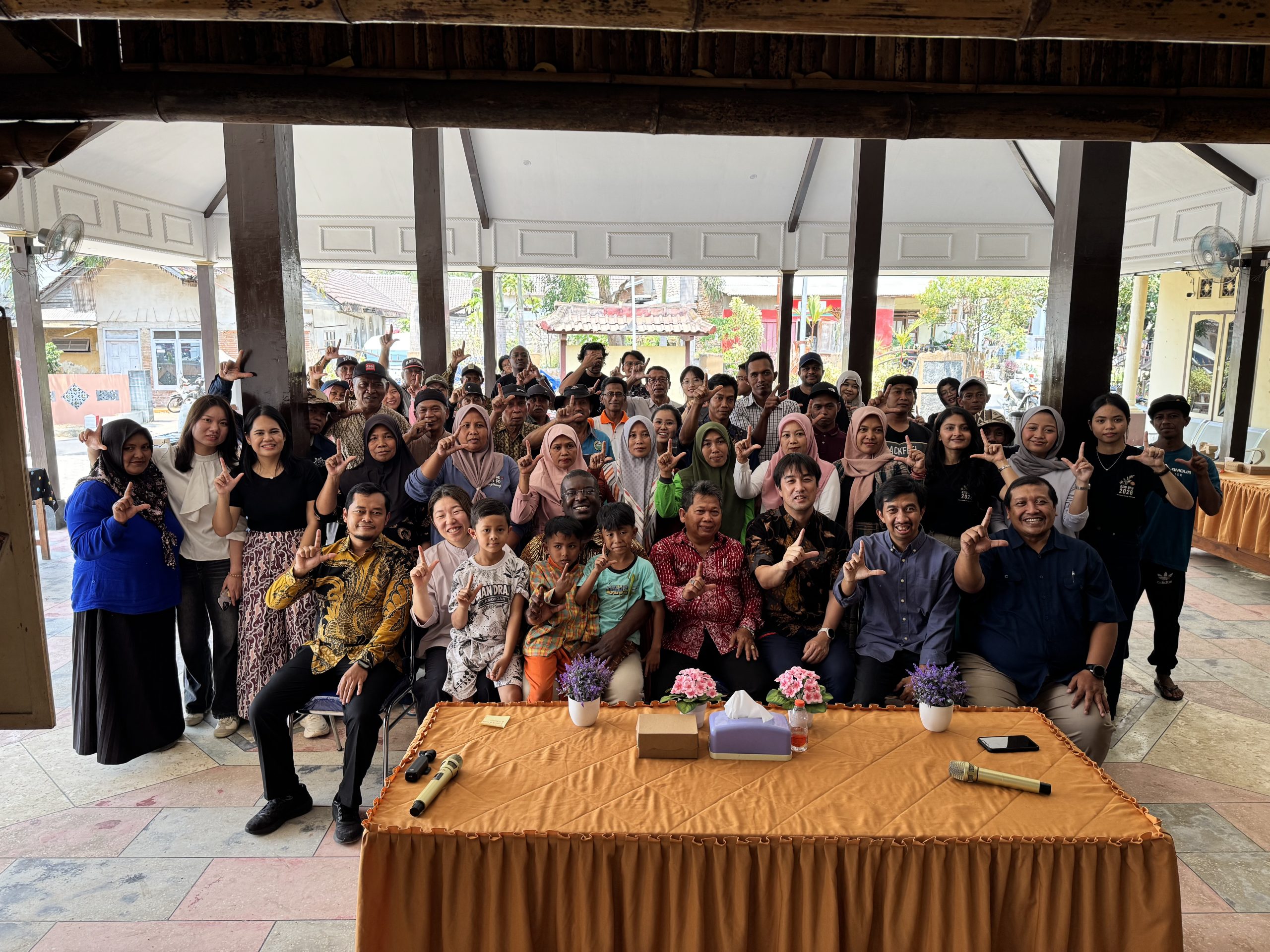
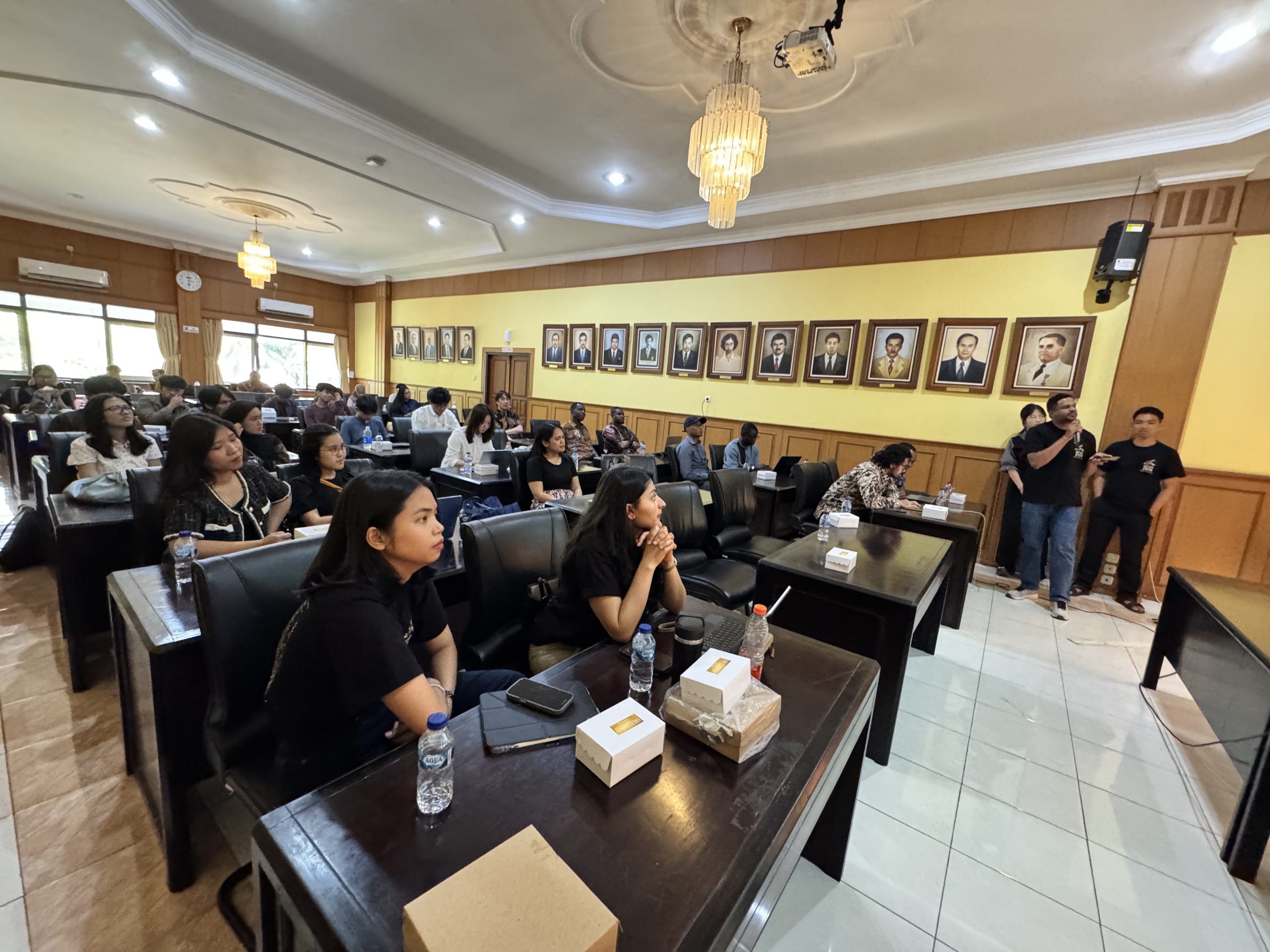
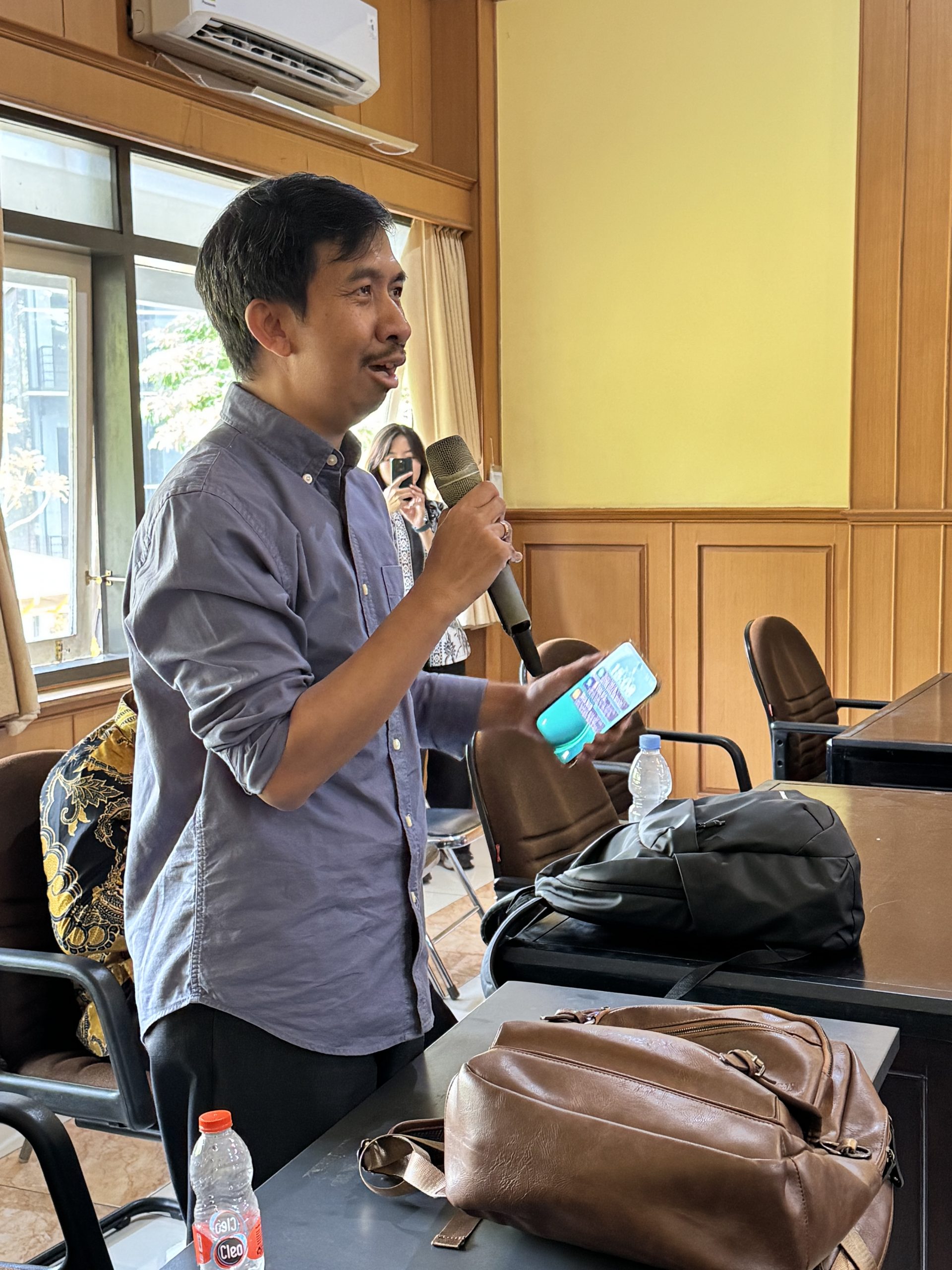
That effort paid off. At the end of the fieldwork, the groups shared their preliminary findings at debriefing sessions in Sanankerto Village and at UB, where they received valuable feedback from local stakeholders and faculty.
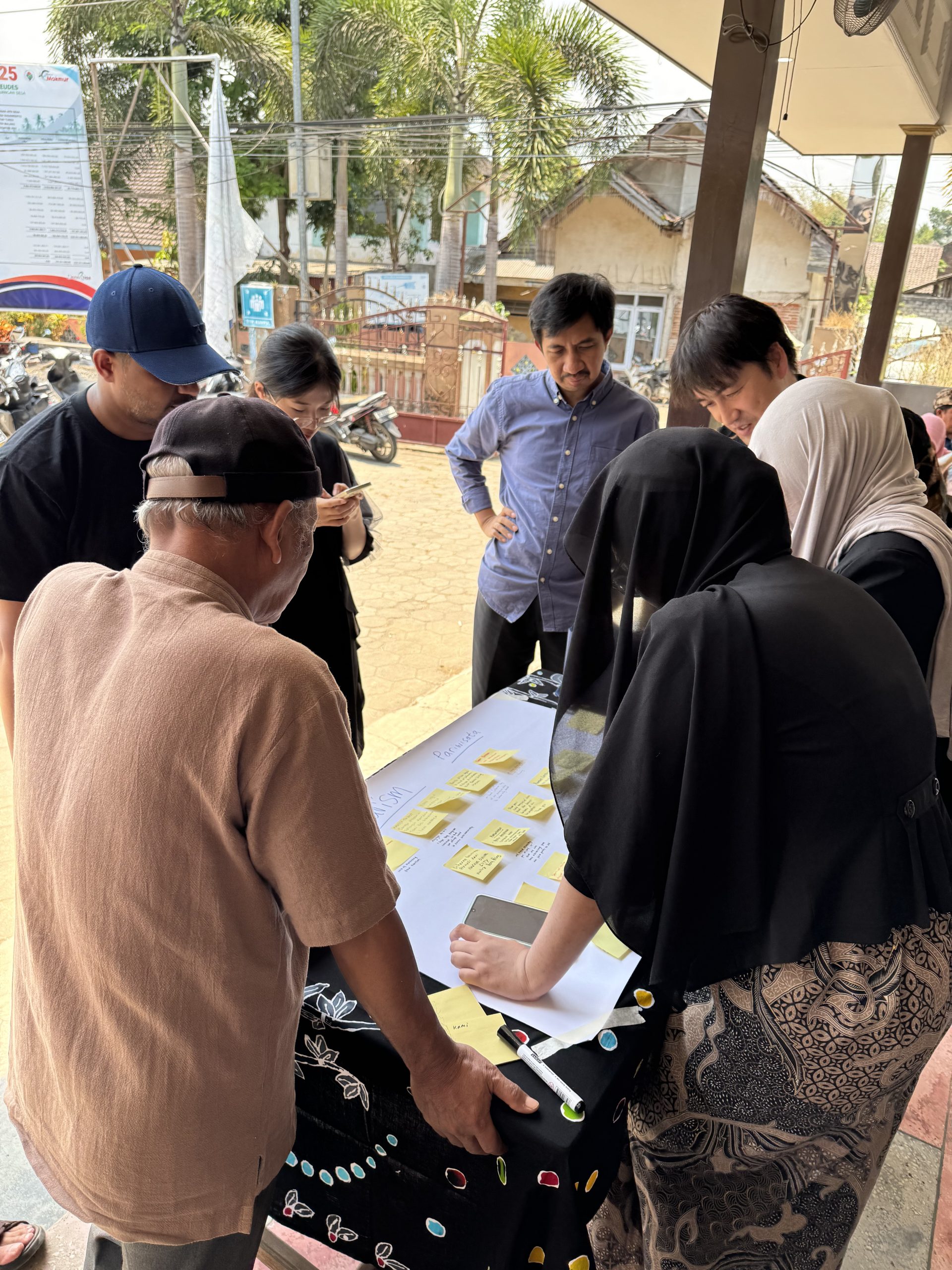
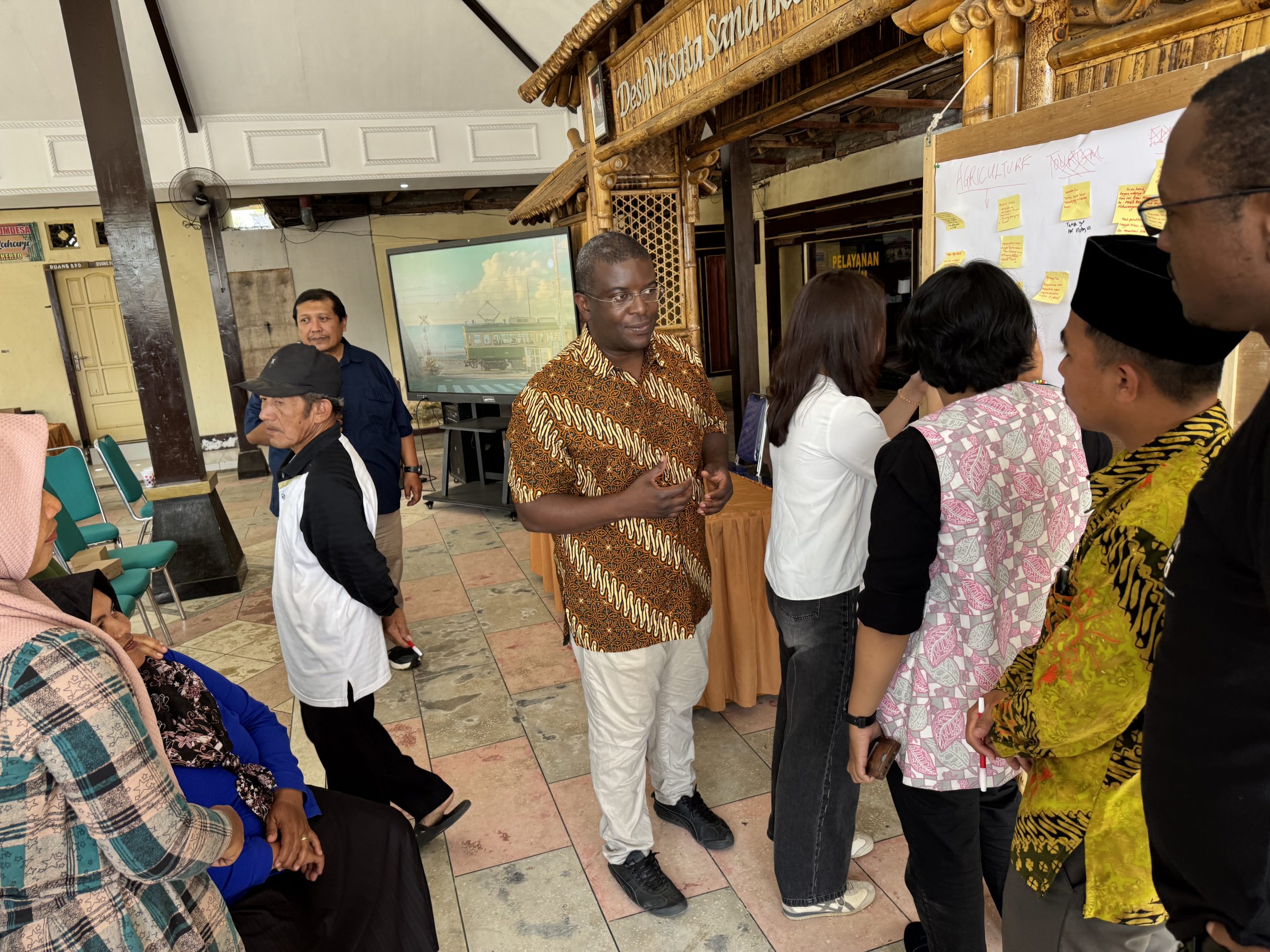
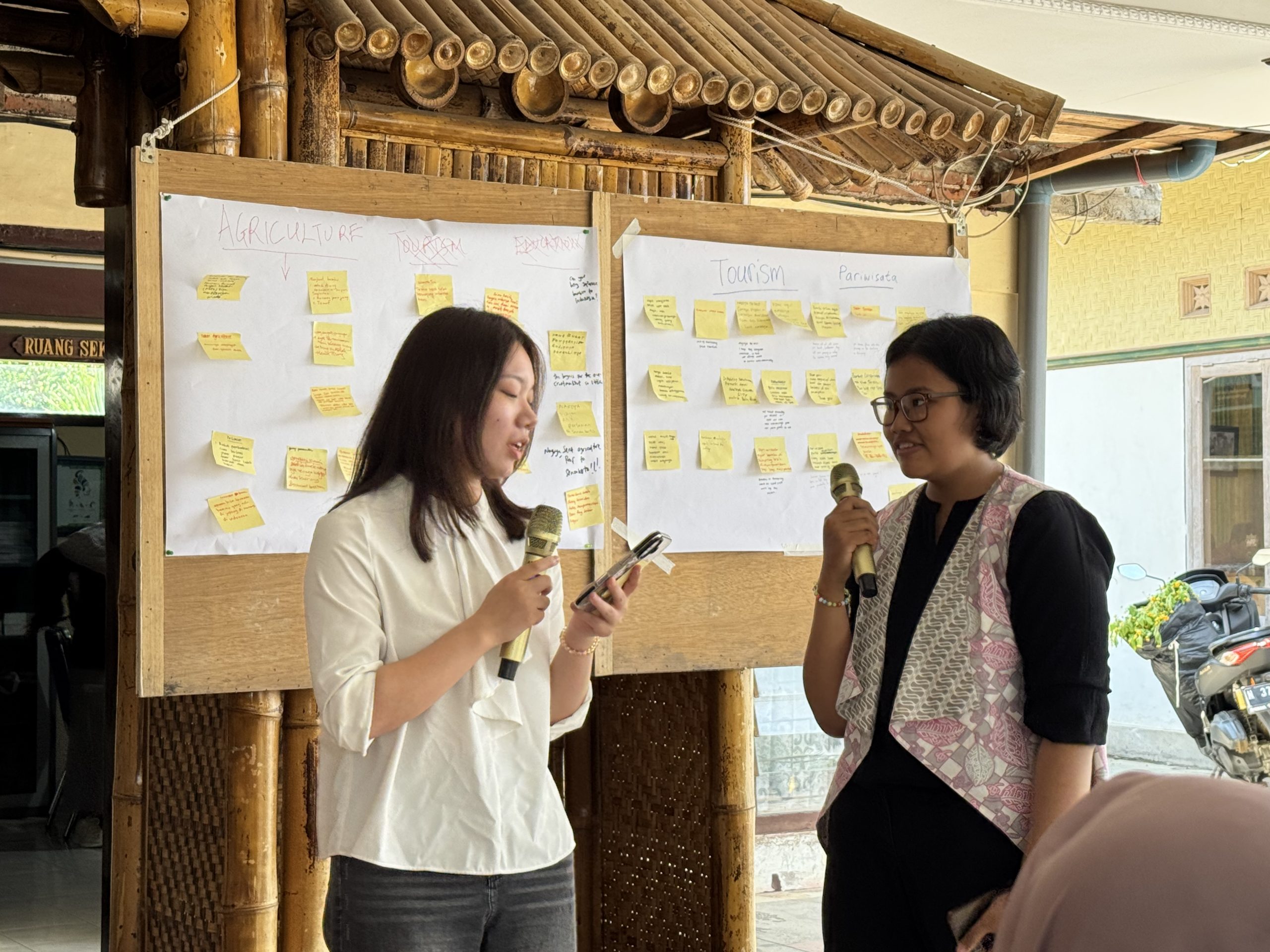
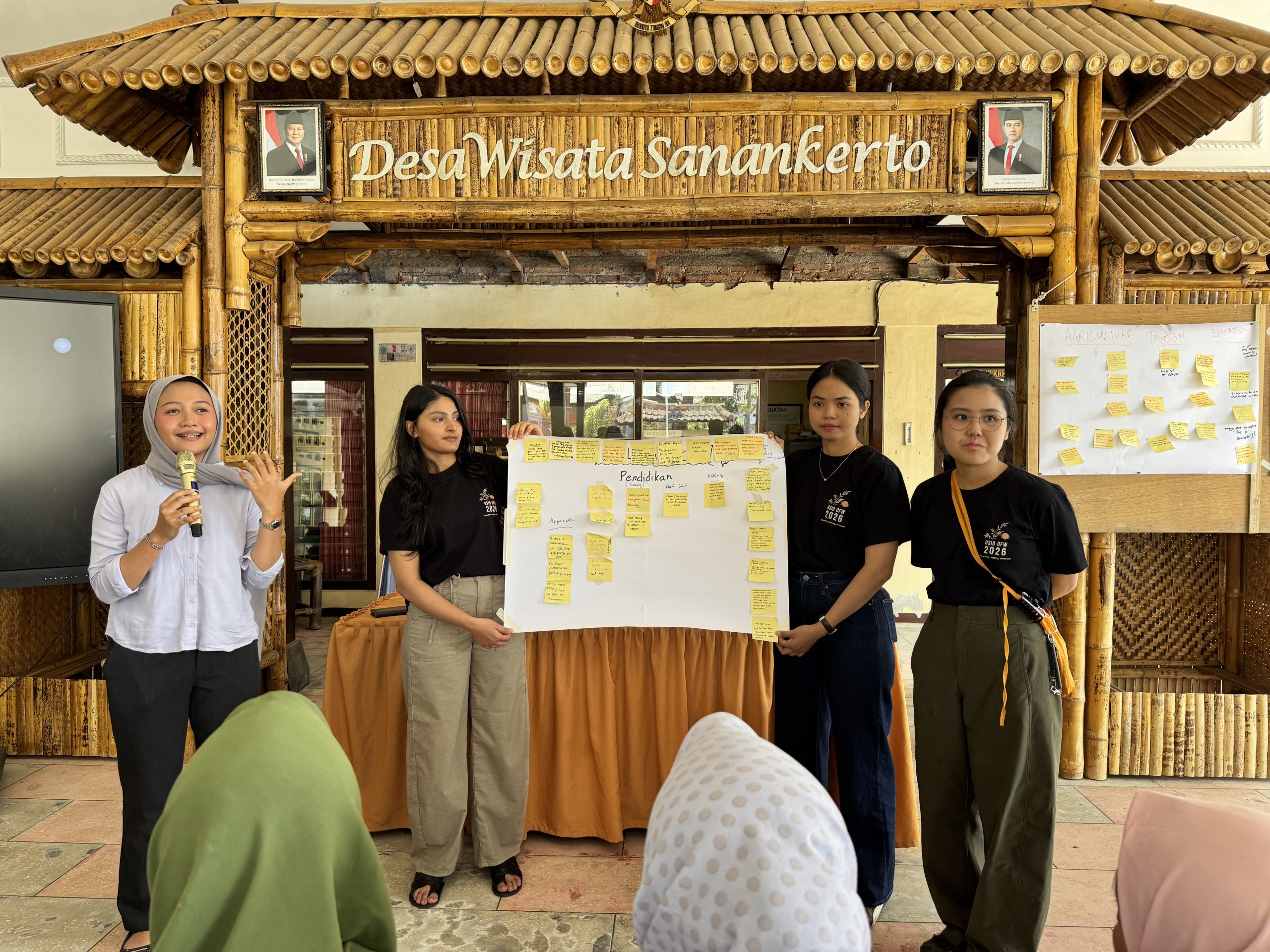
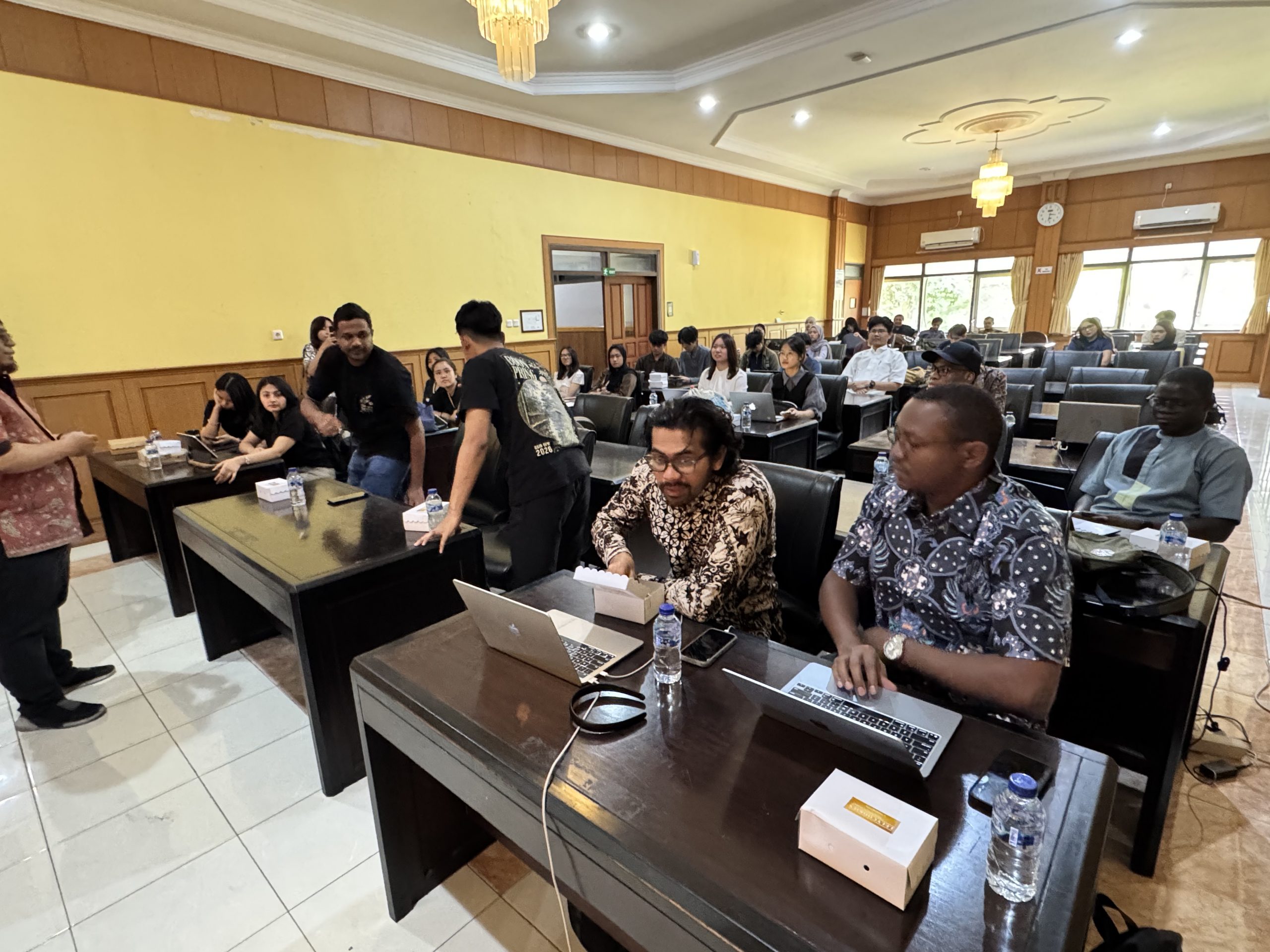
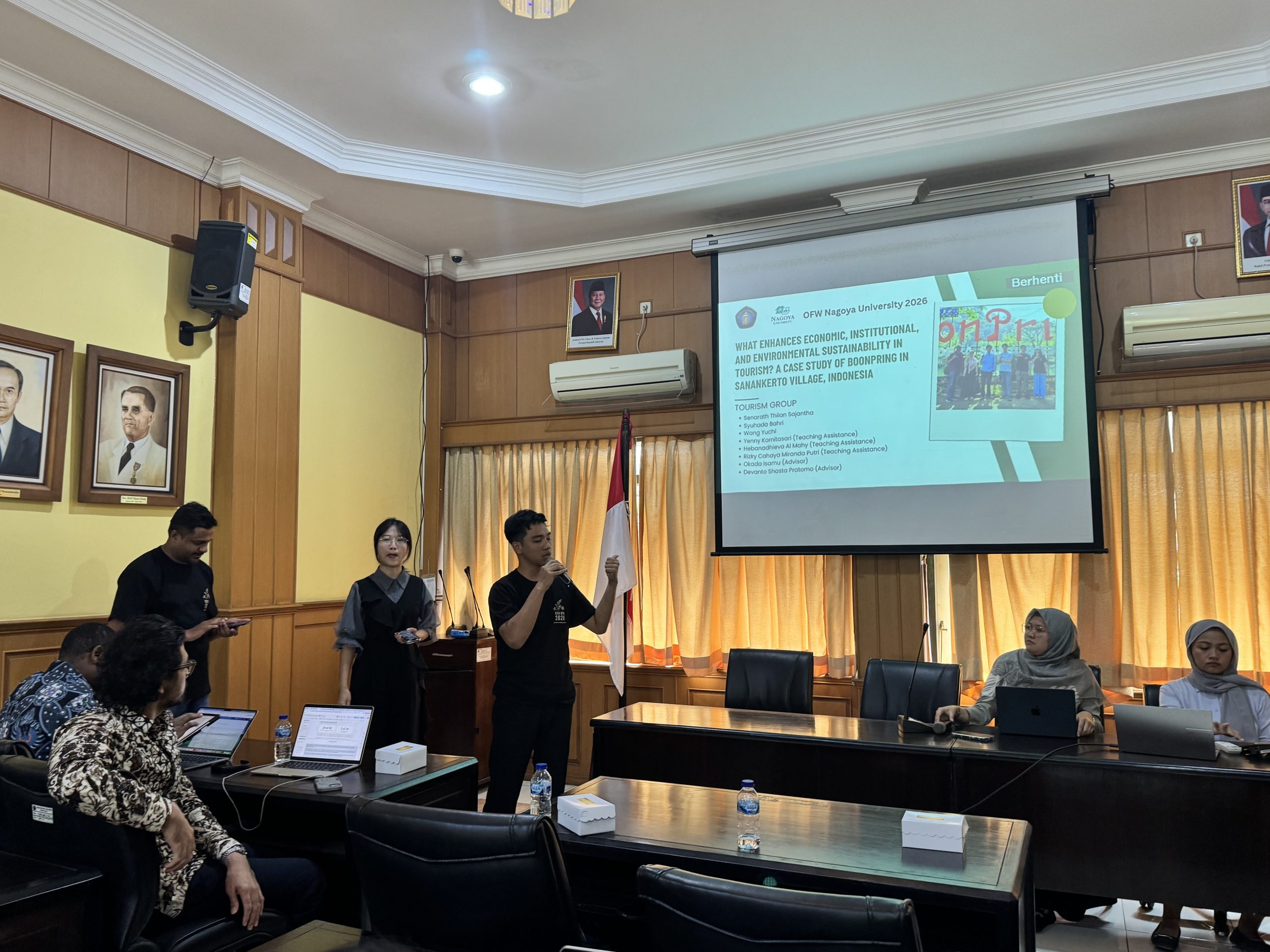
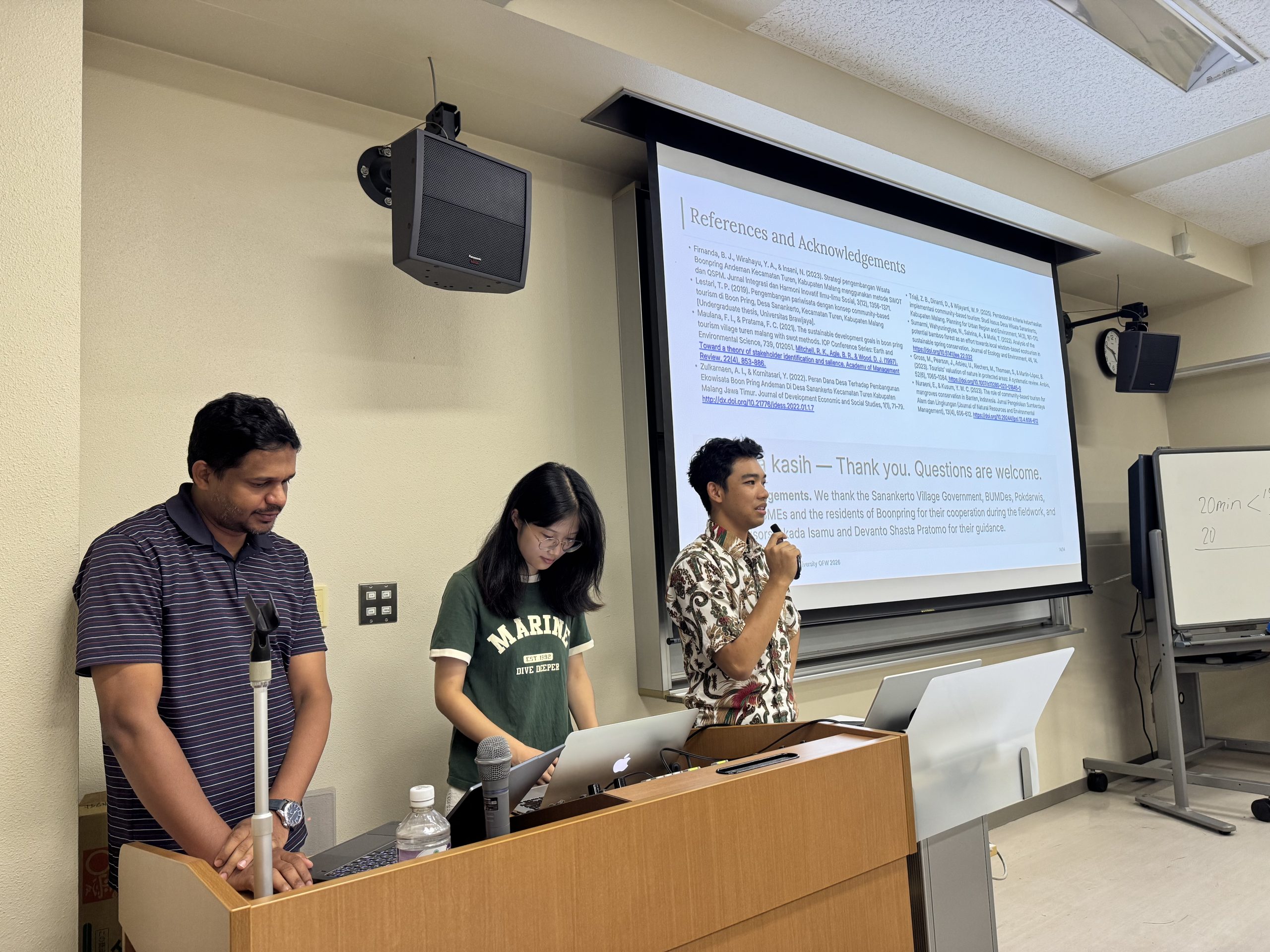
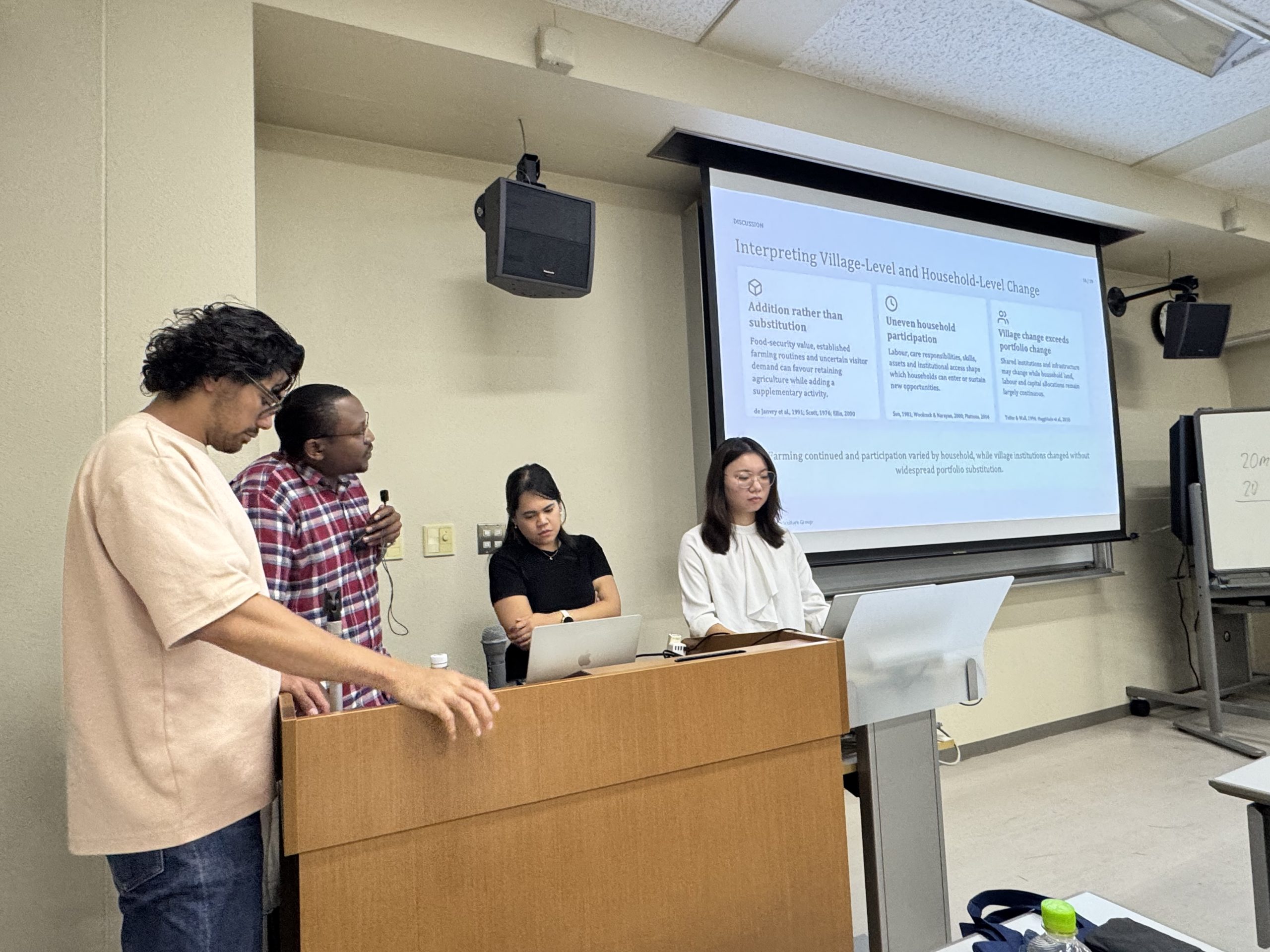
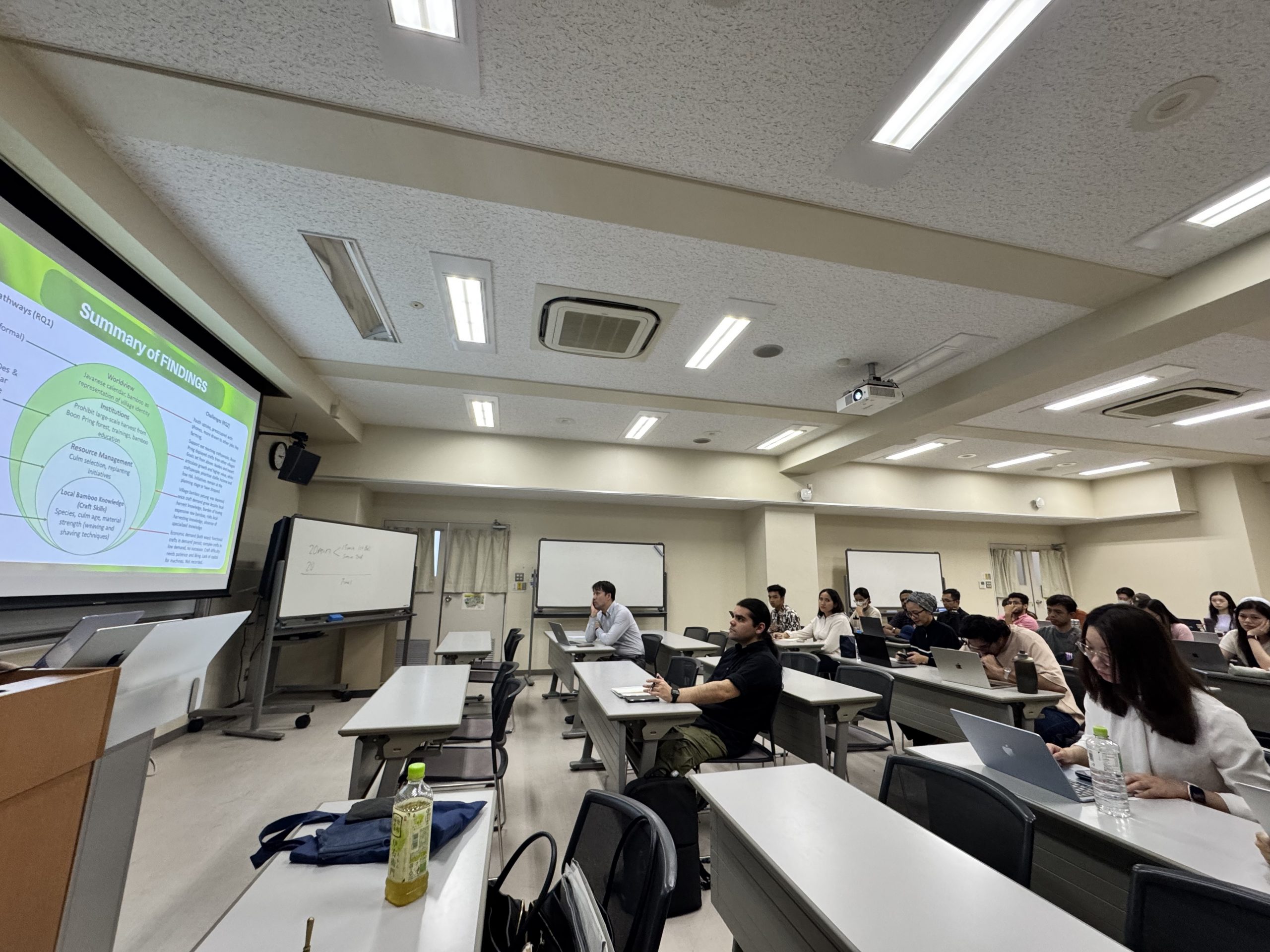
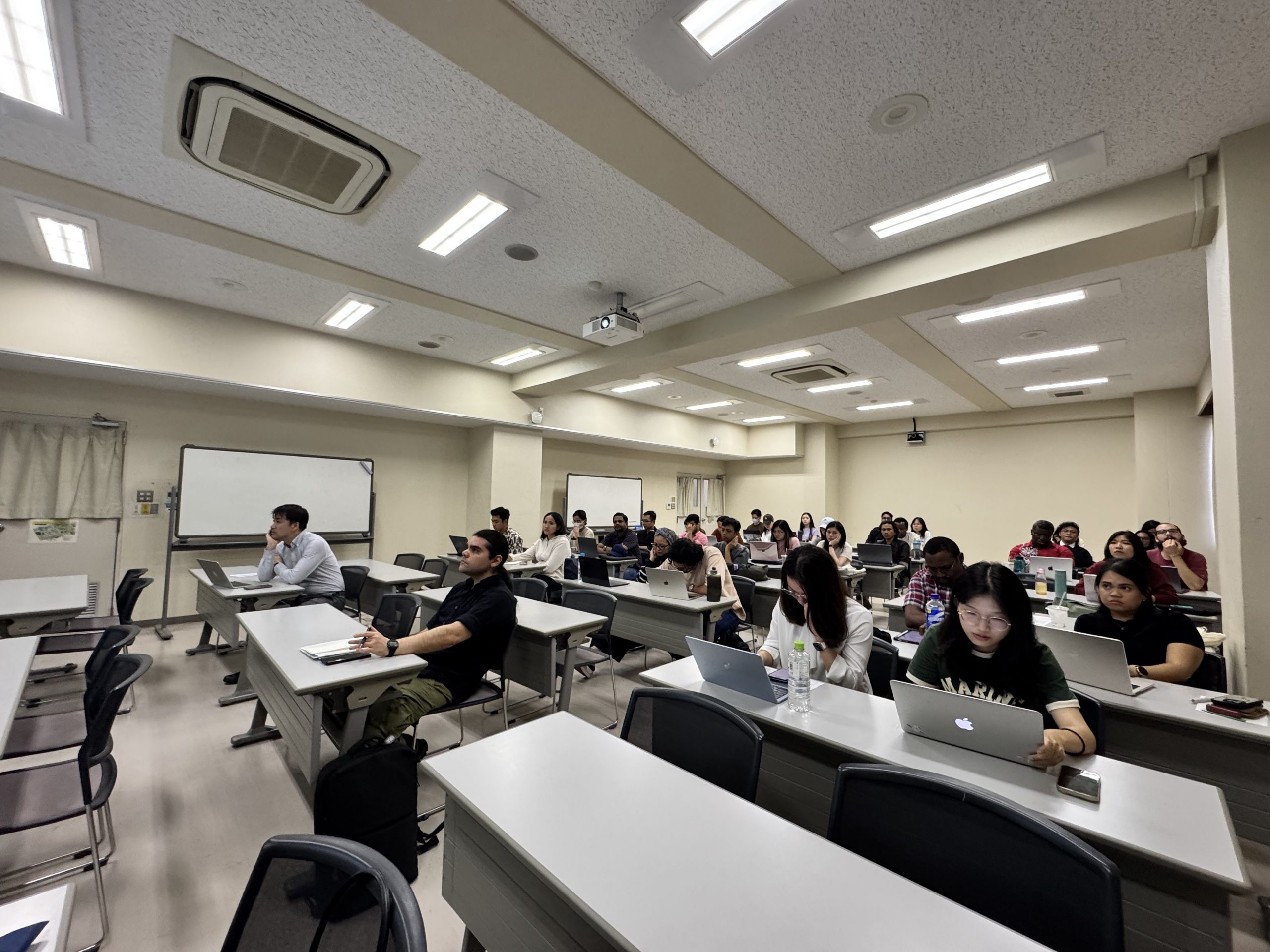
After returning to Japan, the students presented their findings at a final presentation at Nagoya University. Compared with the field debriefings, we could see a new confidence in how they presented their work and answered questions. Building on all the comments they received, the groups are now writing their final reports.
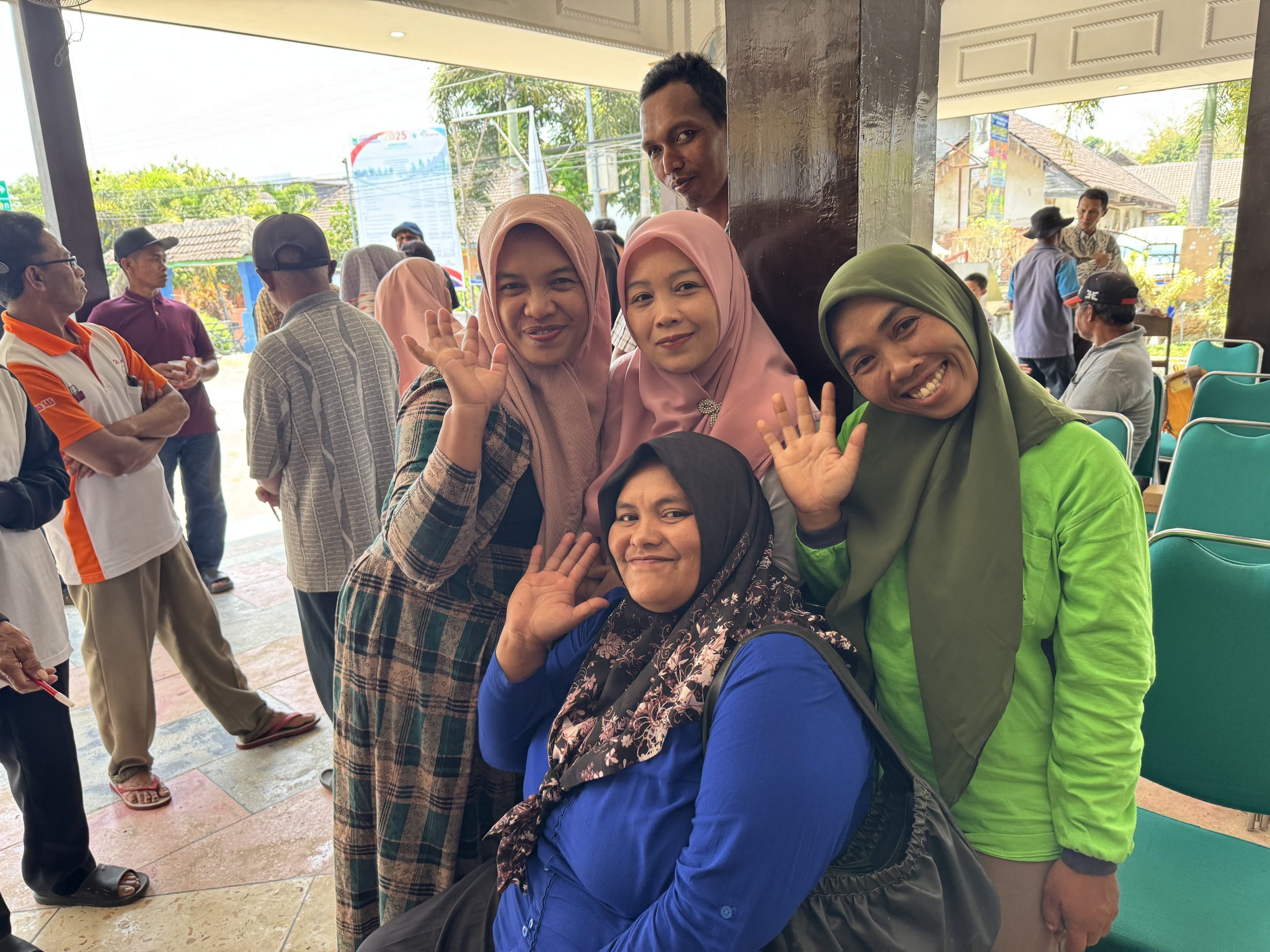
We are deeply grateful to UB team, and everyone at UB, including our six teaching assistants. We also thank the Sanankerto Village Government, BUMDes, Pokdarwis, Poktan, the craftspeople and all the residents who welcomed us and shared their time and knowledge.
Terima Kasih!!!


